
The Return To Freddys 3 - Surviving Six Nights With Haunted 1950s Animatronics
Survive six nights as Blake monitoring deadly vintage animatronics from the 1950s in The Return To Freddys 3, where heat management mechanics and retro minigames reveal dark secrets buried beneath a renovation project turning into your worst nightmare.
Please wait a moment for the The Return To Freddys 3 game to load after clicking "Play Now" button.
Play The Return To Freddys 3 in Browser Online
Recommended Games
View all
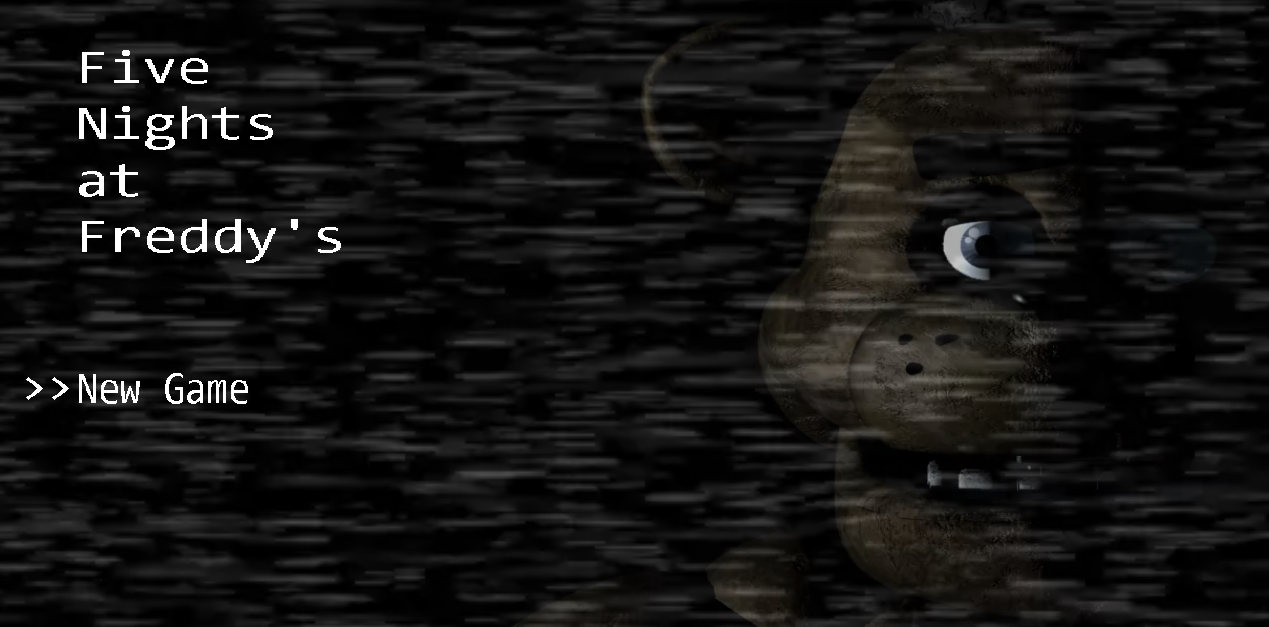


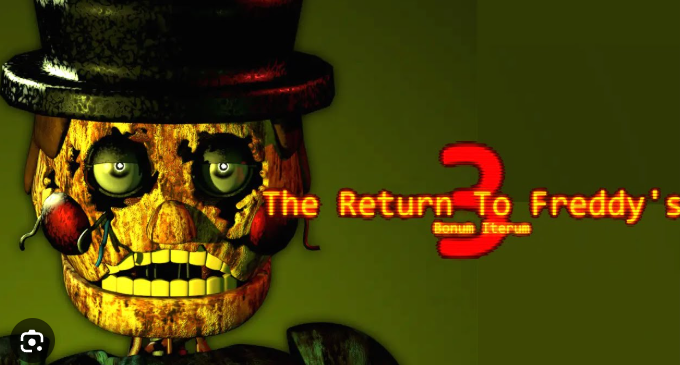
The Return to Freddys 3 is a fan-made survival horror game that puts you in the shoes of Blake, a night shift worker monitoring animatronic machines in a building being transformed into Fazbear Fantasy Land. Unlike typical office jobs, Blake’s nights involve keeping vintage entertainment robots—some dating back to the 1950s—from turning his shift into a nightmare.
This third installment has captured the attention of over 43 players who’ve rated it an impressive 5 stars, and for good reason. The Return to Freddys 3 blends atmospheric horror with puzzle-solving elements that challenge you to piece together decades of dark history while simply trying to survive until 6 AM.
What makes this game stand out:
- Dual-layer storytelling – Main nights focus on survival while retro minigames reveal the twisted backstory
- Heat management mechanics – Control systems to prevent animatronics from reaching your location
- Progressive difficulty – Six increasingly intense nights that test your monitoring skills
- Historical mystery – Uncover connections between locations spanning multiple decades, including the mysterious VGO model from an ancient 1950s diner
The game transforms a simple renovation project into a claustrophobic experience where every phone call from the development team adds another layer to an already unsettling situation. Blake isn’t just watching machines—he’s uncovering secrets that perhaps should’ve stayed buried.
The Return to Freddy’s 3 Game Story
The Return to Freddy’s 3 places us in Blake’s shoes during a tense renovation project. We find ourselves working alone in a two-story structure that’s being transformed into Fazbear Fantasy Land. This isn’t just any building—it’s meant to revive a beloved brand from decades past. Blake takes the night shift while crews work during daylight hours. The phone rings regularly with guidance from the team managing this ambitious project.
Blake’s main job involves watching over vintage machines recently delivered to the site. These aren’t modern robots. They’re antique models gathered from multiple places across the country. Some of these units date back to the 1950s era. We’re talking about genuine relics from old diners and closed venues. The company wants to breathe new life into these classic pieces.
As nights pass, Blake discovers troubling details about these mechanical figures. One model stands out—a unit called VGO that came from an ancient diner. This particular machine carries a strange history that nobody fully grasps. The research team keeps digging into records, trying to piece together where each robot originated. What they uncover raises more questions than answers. The building’s atmosphere shifts after sunset. Shadows seem longer. Sounds echo differently. Blake realizes these machines aren’t just old—they’re connected to events nobody wants to discuss openly.
The story unfolds through phone calls and documents Blake reviews between tasks. We learn that Fazbear Fantasy Land aims to honor the past while creating something fresh. But the past refuses to stay buried. Each robot brings fragments of forgotten stories. The VGO model especially troubles the development team. Records show it performed at a location that closed under mysterious terms. Blake becomes the bridge between present ambitions and buried secrets. His nightly reports feed into a larger investigation that grows more complex hourly.
The Return to Freddy’s 3 Gameplay
We manage Blake’s survival through a control panel that monitors the entire building. The system isn’t perfect—it requires constant attention and quick thinking. Our primary tool involves a heat mechanism that keeps robots at bay. When machines get too close to our station, we activate this defense. It generates warmth that disrupts their movement patterns. But we can’t use it endlessly. The system needs cooldown periods between uses.
The challenge ramps up significantly as nights progress. More robots activate with each passing shift. Their behavior becomes harder to predict. What worked on Night 1 fails by Night 3. We must adapt our strategies constantly. Some machines move in patterns we can track. Others seem to choose random paths through the building. The unpredictability creates genuine tension. We’re never completely safe, even when things seem quiet.
Between main nights, we play retro-style minigames that look like they’re from old arcade cabinets. These aren’t just filler content. They reveal crucial backstory about the robots and locations. One minigame might show a diner from 1952. Another depicts events at a family venue from the 1980s. These segments connect dots across different time periods. We see how various locations relate to each other and to the current project.
The control interface shows camera feeds from both floors. We switch between views to track robot positions. Some areas have blind spots where cameras don’t reach. Those gaps force us to make educated guesses about machine locations. Audio cues help—we hear footsteps, mechanical sounds, and other noises that hint at nearby threats. Managing limited information becomes part of the core challenge. We’re working with incomplete data while making split-second choices.
The heat system requires strategic timing. Use it too early and we’re vulnerable later. Wait too long and robots reach our room. We must balance immediate threats against future risks. This creates a rhythm of tension and release that keeps us engaged throughout each shift. Success depends on reading situations correctly and acting decisively.
How to Play The Return to Freddy’s 3
Getting started requires grasping Blake’s situation immediately. We’re alone in a building undergoing major changes. Our shift runs through the night while renovation continues during daylight. The development team provides remote support, but we handle direct threats ourselves. Understanding this isolation shapes our approach to every challenge that follows.
Monitoring systems forms our primary activity. We use cameras to track robot positions across both floors. The interface shows multiple feeds that we switch between constantly. Some cameras cover large areas. Others focus on specific rooms or hallways. Learning which cameras matter most helps us manage information efficiently without getting overwhelmed by too many feeds.
The heat mechanism serves as our main defense tool. When robots approach our station, we activate this system to drive them back. It works reliably but needs recovery time between uses. Timing becomes everything. We must judge when threats justify using our defense versus when we should conserve it for later. This creates strategic depth beyond simple reaction.
Progressive difficulty means each night demands new tactics. Night 1 teaches basics with minimal threat. By Night 3, we’re managing multiple unpredictable machines. Adapting our strategy based on which robots are active becomes crucial. Some machines respond to heat differently. Others move through specific zones. We learn these patterns through observation and experimentation.
Engaging with minigames between shifts provides vital context. These retro-style segments aren’t optional if we want the full story. They reveal character backgrounds and location histories. Paying attention during these sequences helps us understand why certain robots behave in specific ways. The narrative depth enriches the survival experience significantly.
Sound cues complement visual information from cameras. We hear machines moving through the building. Footsteps indicate proximity. Mechanical noises suggest which type of robot approaches. Developing audio awareness lets us track threats even when cameras don’t show them directly. This multi-sensory approach to monitoring creates richer gameplay.
Resource management extends beyond just the heat system. We manage our attention across multiple feeds and threats. We balance immediate dangers against potential future problems. Making smart choices about where to focus and when to act separates successful nights from failed attempts. The game rewards careful planning over frantic reactions.
Features of The Return to Freddy’s 3
Atmospheric tension defines the entire experience. We’re not just avoiding robots—we’re uncovering mysteries buried for decades. The building itself feels like a character. Shadows move strangely. Sounds echo with unnatural quality. This environmental storytelling creates unease that persists even during quiet moments between robot encounters.
Historical depth sets this game apart from simpler horror titles. The robots aren’t random threats. Each carries history from specific eras and locations. The VGO model’s connection to a 1950s diner adds layers of intrigue. These backstories transform machines from simple obstacles into pieces of a larger puzzle we’re compelled to solve.
Escalating challenge keeps us engaged across all six nights. The difficulty curve feels carefully designed. Each new night introduces fresh complications without feeling unfair. We’re always slightly overwhelmed but never completely hopeless. This balance maintains tension while preventing frustration that might drive us away from the experience.
Strategic gameplay rewards thinking ahead rather than just reacting quickly. We must predict robot movements based on patterns. We conserve resources for critical moments. Planning and execution both matter equally. Success comes from smart preparation combined with calm responses during high-pressure situations.
Narrative integration through minigames creates a complete story experience. We’re not just surviving—we’re learning why we must survive. The retro segments show events that led to the current situation. This storytelling approach respects our intelligence by letting us piece together the timeline ourselves rather than explaining everything directly.
Multiple robot types with distinct behaviors force us to vary our tactics. The antique dog model moves differently than VGO. Each machine requires specific countermeasures. Learning these differences becomes part of mastering the game. We can’t rely on a single strategy throughout all nights.
Control system complexity adds depth without overwhelming us. The interface provides necessary information clearly. We access cameras, monitor heat levels, and track robot positions through intuitive controls. The system supports our decision-making rather than complicating it with unnecessary features or confusing layouts.
Building layout across two floors creates spatial challenges. We must remember which areas connect to others. Some paths let robots reach us quickly. Others provide advance warning. Understanding the architecture becomes as important as managing our defensive tools. The space itself influences our survival strategies significantly.
Similar Games
Final Words
The Return to Freddys 3 stands as a masterclass in fan-made horror that transforms a simple night watchman job into a pulse-pounding archaeological nightmare. Blake’s six-night ordeal monitoring vintage animatronics during a renovation project becomes something far more sinister—a journey through decades of buried secrets and mechanical malevolence.
What separates this game from countless horror clones is its layered approach to terror. The heat management system creates genuine strategic tension, forcing players to calculate risks rather than simply react to jump scares. Each animatronic carries weight beyond its rusted exterior, particularly the enigmatic VGO model from that mysterious 1950s diner. The retro minigames between shifts aren’t throwaway content—they’re puzzle pieces revealing how past tragedies connect to Blake’s present danger.
The escalating difficulty across six nights feels earned rather than artificial. Night 1 teaches fundamentals; Night 6 demands mastery. Players must read patterns, manage limited defenses, and piece together a timeline spanning multiple decades and locations. The 5-star rating from players reflects how successfully this title balances atmosphere, strategy, and storytelling.
Blake isn’t just surviving until dawn—he’s accidentally becoming the keeper of secrets that Fazbear Fantasy Land’s developers might prefer stayed forgotten.
New Games
View all
Tag Run
Sprunki Chapter 3 Alt
Mad Trails
Sprunki Anti Shifted Phase 4 Double Shifted
Sprunki Phase 3.5 Definitive Footlongs Take
Slope 2
Ultrakill

Dunk Clash
Karlson

Archers Random
Steal Brainrots
Rocketgoal

Idle Gold Miner
Steal Brainrot Arena

Hollow Knight Silksong

Idle Monster Slayer

Stickman Rocket

Football 3D

Wheelie Party
Wacky Flip

Climb It Up

Swordbattle.Io
ZZZ Holiday Tree Tuner
Rocket Goal

Snow Rider 2

Brainrot Craft
Previous
Schoolboy Escape 3 Summer Camp
Next
LoveMoney
Discuss The Return To Freddys 3