
Orbit Beats - Why This Two-Planet Rhythm Game Will Destroy Your Perfect Timing
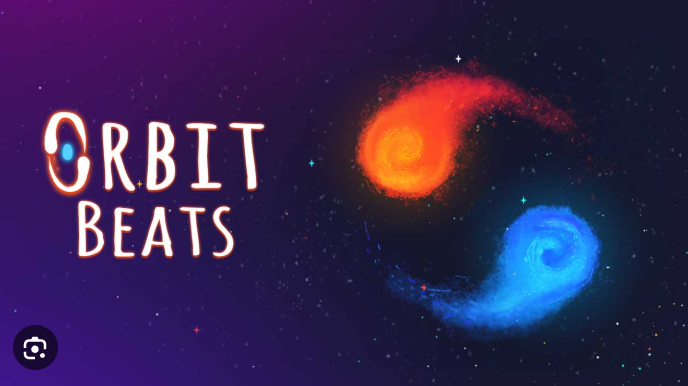
Orbit Beats is a brutally addictive one-button rhythm game where you guide Fire and Ice planets through twisted paths by tapping to the beat—one mistimed click ends your run. Master split-second timing, decode complex spirals and zigzags, and turn musical precision into pure instinct across multiple challenging worlds.
Please wait a moment for the Orbit Beats game to load after clicking "Play Now" button.
Play Orbit Beats in Browser Online

Recommended Games
View all
Orbit Beats is a one-button rhythm game that challenges players to guide two orbiting planets, Fire and Ice, along twisting paths by tapping in perfect sync with the music. One mistimed click sends both planets tumbling off the track, forcing you back to the start or last checkpoint. This deceptively simple concept transforms into an addictive test of reflexes and musical precision.
Here’s what you need to know:
- Single-button gameplay that’s easy to learn but incredibly difficult to master
- Dual-planet mechanics requiring you to maintain balance for both Fire and Ice simultaneously
- Music-driven progression where every tap must align with the beat to advance
- Increasingly complex paths featuring zigzags, spirals, and sharp turns that demand split-second timing
- Multiple worlds with unique rhythmic challenges and visual designs
About Orbit Beats
Orbit Beats is a rhythm game that’ll test your timing like never before. We’re talking about a one-button challenge where you guide two planets—Fire and Ice—along twisting paths. Each tap or click moves these orbiting spheres forward, but here’s the catch: you must sync with the music perfectly. Miss a beat? Your planets tumble off the track, and you’re back to square one.
I’ve played countless rhythm games, but this one stands out. The concept sounds simple enough—just tap in time with the beat. However, the paths aren’t straight lines. They curve, spiral, and zigzag in ways that’ll surprise you. One moment you’re tapping steadily on a flat stretch, the next you’re facing a sharp corner that demands split-second timing. The Fire and Ice planets orbit each other as they move, creating a visual dance that mirrors the musical rhythm.
What makes Orbit Beats special is its deceptive simplicity. You only need one button, yet mastering the game requires serious skill. The paths form complex shapes across different worlds, each with unique beats and rhythmic patterns. You’ll navigate through levels where timing isn’t just important—it’s everything. A single mistimed tap sends both planets flying off course, forcing you to restart from your last checkpoint. The game doesn’t hold your hand; it pushes you to develop an instinct for rhythm and precision. Your ears become as crucial as your reflexes, listening for beat changes while your eyes track the winding path ahead.
Features of Orbit Beats
One-Button Simplicity with Deep Challenge
The beauty of Orbit Beats lies in its minimal controls paired with maximum difficulty. You’re working with just one input—a tap or click—yet this single action creates endless complexity. Each press advances both planets one tile forward along their shared path. We’ve seen games try this approach before, but few execute it this well.
The Fire and Ice planets aren’t just visual flair; they represent balance. When you tap, both move in sync, maintaining their orbital relationship. This creates a unique challenge because you’re not controlling one object but a paired system. Think of it like patting your head while rubbing your belly—except the rhythm changes constantly, and one mistake ends everything.
Progressive Difficulty That Keeps You Hooked
Here’s what I love: the game doesn’t throw everything at you at once. Early levels ease you in with gentle curves and steady beats. You’ll think, “This isn’t so tough!” Then level five hits, and suddenly you’re facing spirals that demand three different tap speeds within seconds. The difficulty curve feels natural, never unfair.
Different worlds introduce new visual themes and musical styles. One world might feature electronic beats with sharp geometric paths, while another offers flowing melodies with organic, curving routes. Each environment changes how you approach the rhythm. I’ve found myself replaying levels not because I failed, but because I wanted to perfect my timing and feel that satisfying flow when everything clicks.
Visual and Audio Harmony
The game’s design isn’t just pretty—it’s functional. The paths are clearly visible against the background, and the planets leave a faint trail showing where you’ve been. This helps you gauge your timing on repeat attempts.
The music isn’t just background noise; it’s your guide. Listen closely, and you’ll hear audio cues that signal upcoming turns or pattern changes. The rhythm game genre thrives on this audio-visual sync, and this title nails it.
How to Play Orbit Beats
Starting Your Journey
Your first tap matters more than you’d think. When you begin a level, a countdown appears—usually three beats. Watch it carefully. Don’t rush. I’ve learned the hard way that jumping the gun on that first tap throws off your entire rhythm. Wait for the right moment, feel the beat, then press. That initial sync sets your pace for everything that follows.
Once you’re moving, your job is to maintain rhythm. Straight paths are forgiving; tap at even intervals, and you’ll cruise through. But corners? They’re rhythm killers if you’re not ready. As the path bends, you need to adjust your timing slightly. A sharp turn might need a quicker tap, while a gradual curve requires patience.
Reading the Path Ahead
Here’s a tip I wish I’d known earlier: always look ahead. Don’t just focus on where your planets are now—scan the path coming up. See that zigzag pattern three tiles away? Start preparing your timing now. The game rewards planning over reaction.
Different path types demand different approaches:
- Straight segments: Maintain steady, even taps matching the beat
- Gentle curves: Keep your rhythm but stay alert for timing shifts
- Sharp corners: Prepare to tap slightly faster or slower
- Spirals: Watch the pattern and adjust your speed gradually
- Zigzags: Quick alternating taps that test your reflexes
Checkpoint System
Not every mistake sends you back to the start. The game places checkpoints throughout longer levels. Reach one, and you’ll respawn there if you fall. This system keeps frustration low while maintaining challenge. You still need to master each section, but you’re not replaying the entire level every time.
Strategies for Mastering Orbit Beats
Develop Your Rhythm Sense
The best players don’t just react—they internalize the beat. Close your eyes during a level you know well. Can you still tap correctly? If yes, you’ve truly learned the rhythm. I practice this way: play a level several times, then try it with the screen dimmed. Your ears take over, and you’ll discover timing patterns you missed before.
Try tapping your foot or nodding your head with the music. This physical connection to the rhythm helps your brain process timing better. It sounds silly, but it works. Your body becomes a metronome, keeping you locked into the beat even when visual distractions arise.
Master the First Three Seconds
Most of my failures happen in the opening moments. Why? Because I haven’t settled into the rhythm yet. Here’s my strategy: before starting, listen to the music for a few seconds. Let it play. Tap your finger on the desk to match the beat. Once you feel it in your bones, then start the level. This preparation makes that crucial first tap much easier.
Pattern Recognition Wins Games
After playing several levels, you’ll notice patterns repeat. A spiral in world two might reappear in world four with a faster beat. When you recognize these patterns, your brain can predict what’s coming. Keep mental notes: “This zigzag pattern needs five quick taps.” Build a library of pattern responses in your mind.
| Pattern Type | Tap Strategy | Common Mistakes |
|---|---|---|
| Long Straight | Steady, even rhythm | Getting too relaxed, missing tempo changes |
| Tight Spiral | Gradual speed increase | Tapping too fast too soon |
| Sharp Corners | Brief pause then quick tap | Rushing the corner entry |
| Zigzag | Quick alternating taps | Losing the base rhythm |
Practice Specific Sections
When you fail at a particular section, restart and focus only on that part. Get it right three times in a row before moving on.
This targeted practice builds muscle memory faster than full playthroughs. I spent twenty minutes on one tricky spiral section once, but after that, I could nail it every time.
Stay Calm Under Pressure
Your heart rate affects your timing. When you’re nervous or excited, you tend to tap faster than the actual beat. Take deep breaths between attempts.
If you’re getting frustrated, step away for five minutes. I’ve found my best runs happen when I’m relaxed, almost meditative. The rhythm flows through you instead of you fighting against it.
Use Audio Cues
Turn up your volume. Seriously. The music contains subtle cues that signal changes. A cymbal crash might indicate a corner. A bass drop could mean a speed change.
These audio markers are your friends. Learn to associate sounds with actions, and you’ll react faster than visual processing alone allows.
Similar Games
Final Words
Orbit Beats distills rhythm gaming to its purest form—two planets, one button, and the unwavering demand for perfect timing. This isn’t a game you casually conquer; it’s a musical gauntlet that transforms simple taps into an art form. Fire and Ice orbit through increasingly twisted paths, each requiring you to internalize beats rather than merely react to them. The genius lies in stripping away complexity while amplifying challenge: no power-ups, no shortcuts, just raw skill meeting rhythmic precision.
The ability to feel music in your fingertips, to anticipate spirals and corners before they arrive, to transform pattern recognition into instinct. Each failed attempt teaches; each checkpoint reached validates your growing mastery.
The game respects your intelligence by never holding back—miss a beat, face the consequences, learn, adapt.
New Games
View all
Jelly Runner
Steal A Brainrot Duel
ZZZ Holiday Tree Tuner
DTA 9 Miami
Snow Rider 2
Pixel.Io
Space.io

Hyper Tunnel
Cowboy Safari
Sprunki AntiShifted Phase 4 But Swapped

Santa Tracker
Ultrakill
Escape Drive
Red Blue Leader
Zombie Invasion

FNAF 2
Hero Squad Survival
Pew Pew Dose
Deadshot.io
Overtide.Io
Kick The Buddy But Durple
Stunt Simulator
Mad Pursuit
Dig Out Of Prison
Previous
Idle Gold Miner
Next
Orbit Kick
Discuss Orbit Beats