
Tag Run - The Explosive Chase Game Where Every Second Counts
Master Tag Run's explosive chase mechanics where one touch passes a ticking bomb between up to four players across themed arenas—learn survival tactics, sharp turn strategies, and map-specific escape routes that separate survivors from victims in this heart-pounding arcade survival game.
Please wait a moment for the Tag Run game to load after clicking "Play Now" button.
Play Tag Run in Browser Online

Recommended Games
View all
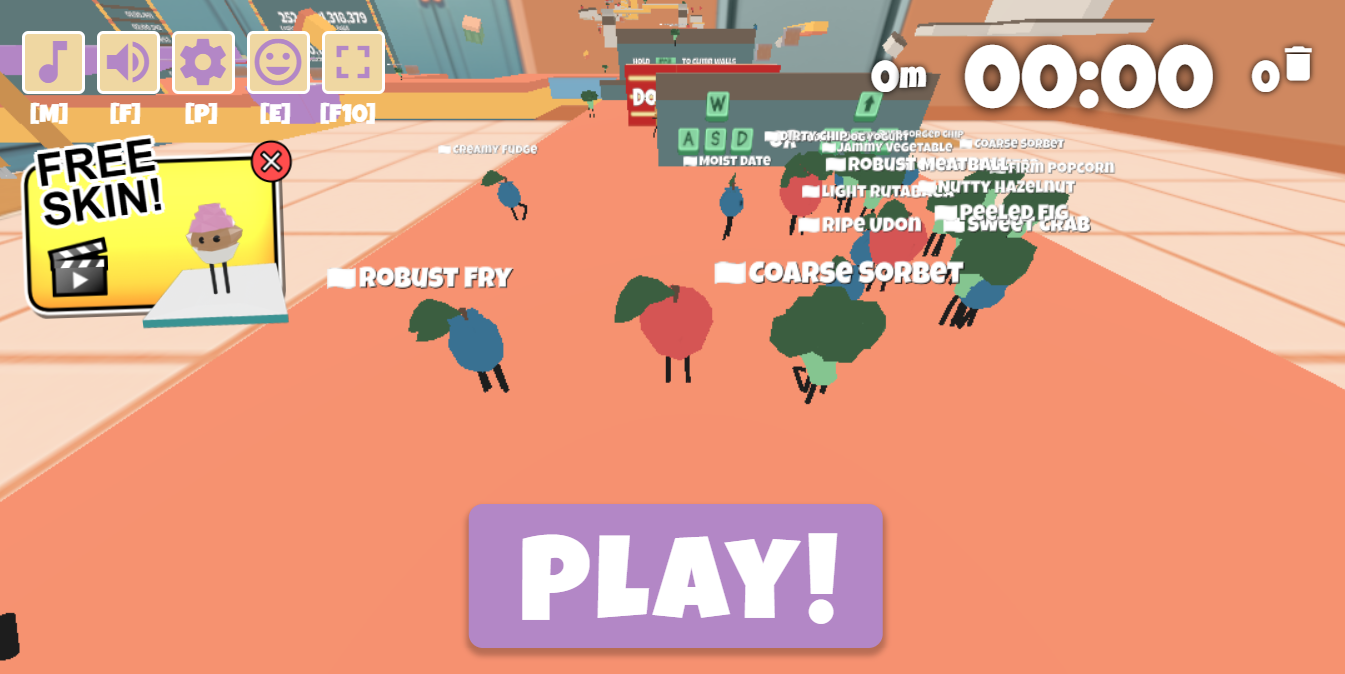
Tag Run transforms the classic game of tag into a survival race against time, where a ticking bomb creates chaos among up to four players. Unlike traditional tag games, this arcade title adds lethal stakes: one player holds a bomb, and everyone else becomes either a target or a potential escape route. The premise is simple—touch another player to pass the explosive burden before it detonates—but execution demands lightning-fast reflexes and strategic positioning.
What makes Tag Run stand out is its ability to generate genuine tension through minimalist mechanics. The moment that bomb lands in your character’s hands, panic sets in. Will you chase down the nearest opponent? Can you corner someone before time expires? Each themed arena—from pixelated landscapes to molten lava zones—reshapes your strategy, forcing you to adapt your escape patterns and pursuit tactics on the fly.
Why Tag Run hooks players instantly:
- Immediate tension - No warm-up period; danger starts the second the bomb drops
- Strategic simplicity - Easy to learn, challenging to master under pressure
- Multiplayer mayhem - Solo practice or four-player chaos both deliver thrills
- Map variety - Different environments demand fresh approaches to survival
Tag Run Gameplay
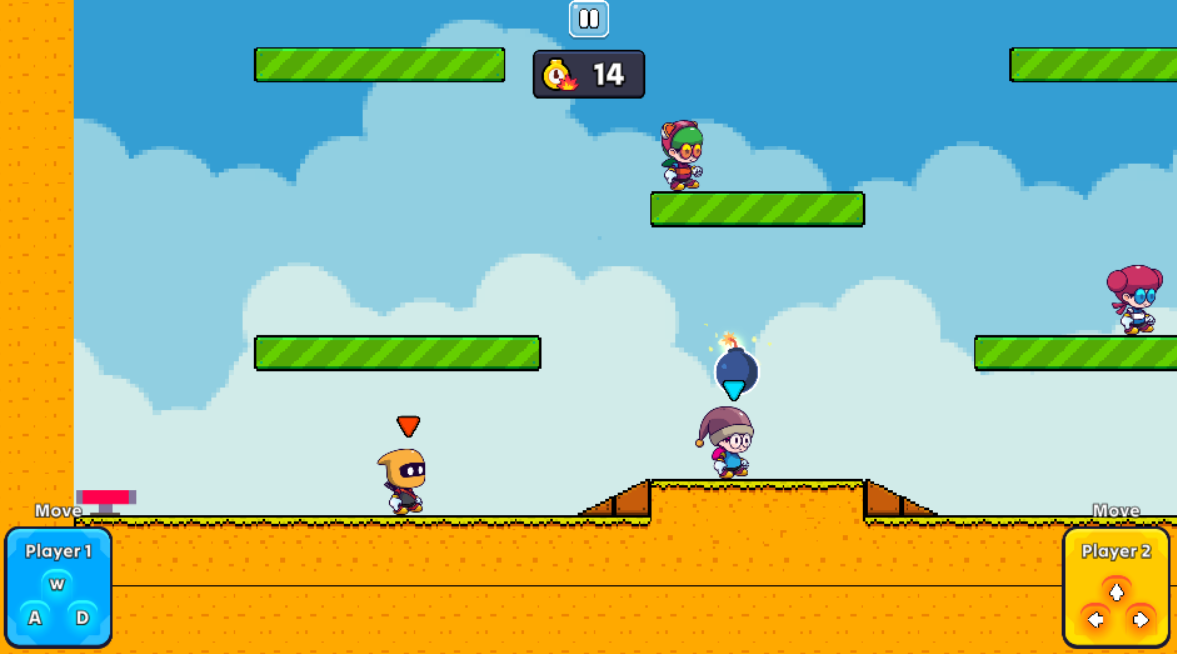
Tag Run drops a live bomb into your hands, and suddenly the arena becomes a blur of frantic sprints and desperate touches. We’re talking pure chaos here—one second you’re safe, the next you’re racing against a ticking clock while three other players hunt for you. The bomb picks someone at random when each round kicks off, creating instant panic as everyone scatters across maps like Pixel, Winter, or Lava. Each arena twists the chase differently, forcing us to adapt our escape routes on the fly.
The core thrill lives in those split-second decisions. When the bomb lands in your pocket, every muscle tenses as you scan for the nearest target. Passing danger requires only a simple touch, yet closing that gap before the blast becomes a heart-pounding challenge. Sharp turns become your best friend during tight pursuits, creating instant separation when someone’s breathing down your neck. We’ve found that map edges offer cleaner angles for quick getaways, letting us slip past chasers who commit too hard to straight-line speed.
What makes Tag Run addictive is how rapidly the danger shifts. You might spend five seconds fleeing, then suddenly you’re the hunter after a successful tag. The pressure never drops—it just transfers from player to player in waves of escalating tension. Ads unlock additional arenas like Jungle, Candy, and Night, each bringing fresh layouts that feel faster and less predictable. A Candy map might feature tighter corridors perfect for corner loops, while Night opens wider spaces where early sprint bursts matter more.
We’ve learned that quick direction shifts disrupt close chasers effectively, breaking their momentum when they’re inches away. The game rewards instinct over planning—there’s no time to plot three moves ahead when the timer’s screaming. Each round lasts just long enough to build real tension without dragging, keeping sessions tight and replayable. Whether you’re running solo practice or diving into four-player mayhem, the formula stays brutally simple: don’t be holding the bomb when it pops. That singular focus creates pure, distilled action that hooks you for “just one more round” until an hour vanishes.
How to Play Tag Run
The objective is crystal clear: avoid being tagged when you’re holding the bomb, and tag someone else before time expires. When the round starts, the bomb randomly selects its first victim, and that’s when the arena explodes into motion. Everyone else becomes a potential escape route for the unlucky holder, while safe players must stay alert—one touch flips the entire dynamic.
Controls vary based on your player slot, keeping things accessible for local multiplayer sessions:
| Player | Controls |
|---|---|
| Player 1 | WASD keys |
| Player 2 | Arrow Keys |
| Player 3 | TFGH keys |
| Player 4 | IJKL keys |
Movement feels responsive and immediate—no sluggish acceleration or awkward momentum. You press a direction, and your character sprints that way instantly. This tight control becomes crucial when you’re weaving through tight spaces or executing those life-saving sharp turns. We recommend spending your first few rounds just exploring each map’s layout, learning where corners tighten and where open spaces stretch out.
The passing mechanic couldn’t be simpler: run into another player while holding the bomb, and it transfers automatically. No button presses, no timing windows—just pure collision detection. This simplicity keeps the action flowing without fumbling through complex inputs during high-pressure moments. However, actually reaching your target becomes the real puzzle. Other players aren’t standing still; they’re actively fleeing, using every trick to maintain distance.
Timing your approach matters more than raw speed. If you chase someone in a straight line, they’ll just mirror your path and maintain the gap. Instead, we’ve found success by predicting their next turn and cutting angles to intercept. Map edges become valuable tools here—force someone toward a boundary, and their escape options shrink dramatically. They either turn back toward you or risk running into a wall, both scenarios giving you precious closing distance.
Tight corner loops reset pursuit pressure beautifully. When someone’s chasing you hard, duck around a sharp corner and immediately reverse direction. Most chasers overshoot, giving you a fresh head start. This technique works best on maps with multiple intersecting paths, where you can chain several direction changes together. The Jungle map, for instance, features dense obstacle clusters perfect for these evasive maneuvers.
Early sprint bursts help secure safe distance immediately after receiving the bomb. The moment you feel that transfer, don’t hesitate—pick a direction and commit to full speed. Those first two seconds determine whether you’ll spend the round in control or desperately scrambling. We always aim for the largest open space visible, buying time to assess where other players are positioned before planning our tag attempt.
Features of Tag Run
Tag Run packs several smart design choices that keep matches feeling fresh across dozens of rounds. The themed map variety stands out immediately—each arena brings distinct visual flavor and layout challenges. Pixel delivers retro charm with blocky obstacles, Winter adds slippery aesthetics that match the frantic pace, and Lava creates urgency through its molten visuals. These aren’t just cosmetic swaps; each map genuinely affects how chases unfold.
Unlocking additional arenas through ads might sound annoying, but it actually works well here. Jungle, Candy, and Night maps arrive quickly if you’re willing to watch brief videos, and they introduce enough layout differences to justify the unlock system. Candy features vibrant colors and tighter pathways, while Night opens darker spaces where tracking other players requires sharper focus. We appreciate that the core maps remain free, with extras serving as optional expansions rather than paywalled necessities.
Multiplayer scalability deserves praise for supporting one to four players without breaking the formula. Solo runs let you practice escape techniques against AI opponents, building muscle memory for those crucial sharp turns and direction shifts. Two-player matches create intense cat-and-mouse dynamics where every move gets scrutinized. Three players introduce triangular positioning puzzles—who do you chase when two targets scatter in opposite directions? Four-player chaos becomes beautifully unpredictable, with bodies colliding and bombs transferring in rapid succession.
The bomb timer strikes a perfect balance between tension and playability. Too short, and rounds would feel cheap; too long, and they’d drag. The current duration forces aggressive play without making success feel impossible. You can’t just run circles indefinitely—eventually, you must commit to a tag attempt, accepting the risk that comes with closing distance.
“The genius lies in how simple mechanics create complex emergent gameplay. Every match tells a different story despite using identical rules.”
Visual feedback keeps you informed without cluttering the screen. The bomb’s glow makes it instantly clear who’s currently in danger, while subtle timer indicators build pressure as seconds tick away. We never feel confused about game state, even during four-player mayhem when bodies overlap and paths cross constantly. This clarity matters enormously in a game built on split-second reactions.
Replayability stems from how each round unfolds differently based on player behavior and random bomb placement. You might dominate three consecutive matches, then get caught in an unlucky spawn position that leaves you scrambling. This variance prevents the game from feeling solved or predictable. We’ve played for hours without encountering identical scenarios, which speaks volumes about the core design’s strength.
The game also respects your time. Rounds conclude quickly, making it perfect for short gaming sessions or extended marathons. There’s no lengthy setup, no complex menus to navigate—just jump in and start running. This pick-up-and-play accessibility makes Tag Run ideal for casual players who want instant action without steep learning curves.
Strategic depth emerges naturally through play rather than explicit tutorials. You discover that map edges provide escape advantages, that quick shifts disrupt chasers, that early bursts matter—all through experience rather than instruction. This organic learning curve feels rewarding, turning each session into a mini-masterclass on evasion tactics and pursuit strategies.
Similar Games
Final Words
Tag Run strips arcade gaming down to its most primal element: survival through speed. This isn’t about high scores or complex combos—it’s about those heart-stopping seconds when a live bomb sits in your hands and three other players scatter like startled prey. The game transforms a childhood playground classic into a pressure cooker where quick reflexes and sharper instincts determine who walks away and who explodes.
What elevates Tag Run beyond simple chase mechanics is its brilliant simplicity. Maps like Pixel, Winter, and Lava don’t just change scenery—they reshape your entire approach to pursuit and evasion.
Tight corners become lifesaving tools, open spaces turn into death traps, and every collision carries explosive consequences. The controls respond instantly, eliminating any gap between thought and action during those critical moments when milliseconds separate survival from detonation.
New Games
View all
Plants Warfare
Ninja Obby Parkour

Gacha Club

Tiny Arena
Steal Brainrot Arena

Wordscapes
Fun Clicker
Flappy Dash Ultra
Police Drive

GTA V Big Test
Sprunki Escape From Hospital

Hyper Tunnel
Undead Invasion
Dandy's World Original

Color Rhythm
Build My Brainrot
Obby Roads
Slope Rider
Santa Run
Supermarket Simulator Desert
Sprunki Phase 9 Alive And Malediction
Sprunki Phase 9 GGTP V1.5
Archers Random
Kick The Buddy But Durple
Previous
Plants Warfare
Next
Sprunki Escape From Hospital
Discuss Tag Run