
Supermarket Simulator Desert - Build Your Retail Empire in the Sand
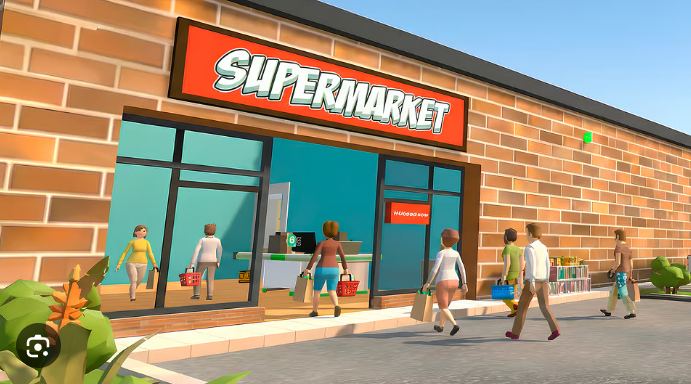
Manage your desert retail empire in Supermarket Simulator Desert – stock shelves, serve customers, set prices strategically, and expand from a modest shop into a thriving commercial oasis through smart decisions and efficient operations.
Please wait a moment for the Supermarket Simulator Desert game to load after clicking "Play Now" button.
Play Supermarket Simulator Desert in Browser Online






Recommended Games
View all




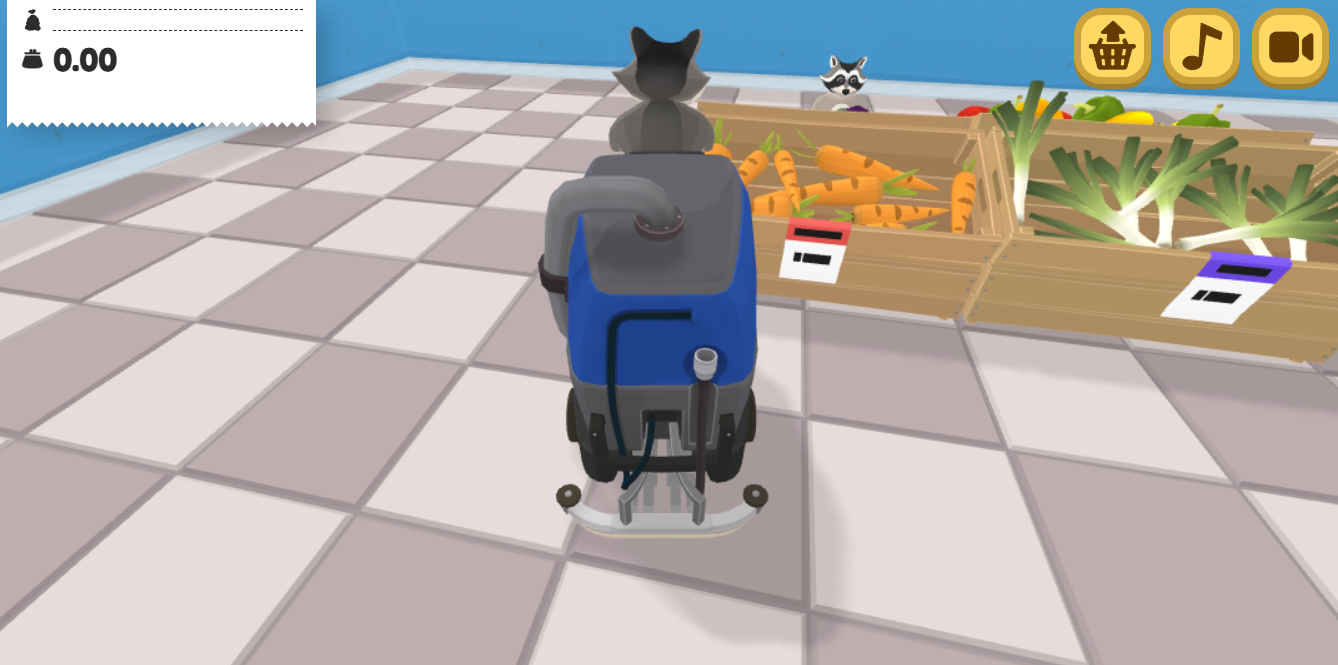

Supermarket Simulator: Desert is a real game – and it’s quickly becoming a favorite among simulation fans who crave retail management with a twist. This isn’t your typical grocery store experience. Set against sandy backdrops and sun-baked landscapes, Supermarket Simulator: Desert drops you into the role of a shopkeeper building a thriving business from scratch in one of the most unexpected locations imaginable.
The premise is straightforward: you start with a modest store and limited resources, then work your way up through smart purchasing decisions, strategic pricing, and efficient customer service. What sets Supermarket Simulator: Desert apart from other retail sims is its unique environmental setting that transforms ordinary stocking and selling into something surprisingly engaging. The desert atmosphere isn’t just cosmetic – it creates a distinct vibe that keeps routine tasks feeling fresh.
What You’ll Experience:
- Complete store control – from buying inventory to setting prices and serving customers
- Expansion opportunities – reinvest profits to grow your desert outpost
- Strategic gameplay – balance customer satisfaction with profit margins
- Accessible controls – simple WASD movement and mouse interactions keep you focused on management
- Visual appeal – bright, detailed graphics that bring the desert supermarket to life
Controls and Interaction
We navigate Supermarket Simulator: Desert using simple, intuitive commands that keep us focused on building our retail empire. The WASD keys or Arrow Keys move our character smoothly around the store floor. When we need to interact with products or serve shoppers, both mouse buttons become our primary tools. The Right Mouse Button specifically lets us pick up items from storage or shelves, while the Left Mouse Button handles most other interactions like scanning products at checkout.
Managing a busy supermarket requires quick reflexes and smart organization. The G key allows us to throw items when we need to clear space rapidly or restock distant shelves efficiently. When we finish serving a customer, pressing E exits the cash register instantly, letting us move on to other urgent tasks. The Tab key toggles cursor lock, which proves useful when we switch between managing inventory and navigating tight aisles. If we need a break from the desert heat, ESC quits the game entirely.
These controls feel natural after just a few minutes of play. We don’t waste time fumbling with complex button combinations or memorizing elaborate shortcuts. Instead, we focus on what truly matters: keeping customers happy, shelves stocked, and profits climbing. The interface design supports our goals without getting in the way.
Every action connects directly to a visible result, whether that’s placing a product perfectly on display or completing a transaction smoothly. This direct feedback loop makes even routine restocking feel engaging and purposeful.
About Supermarket Simulator: Desert
Supermarket Simulator: Desert drops us into a challenging retail environment where every decision impacts our bottom line. We start with a modest shop, limited funds, and big dreams of expansion. Our daily routine involves buying products at wholesale prices, arranging them attractively on shelves, and setting prices that balance profit with customer satisfaction. Shoppers arrive with specific needs and limited patience, so meeting their expectations quickly becomes our top priority.
The desert backdrop creates a unique atmosphere that sets this game apart from typical retail simulators. Sand-colored buildings, warm lighting, and a distinct visual style make our supermarket feel like an oasis in an arid landscape. This setting isn’t just cosmetic—it influences how we think about our business. We imagine travelers stopping by for supplies, locals seeking daily necessities, and tourists looking for refreshments. Each customer represents an opportunity to grow our reputation and revenue.
Gameplay That Rewards Smart Management
First, we purchase goods from suppliers, choosing products based on customer demand and our available budget. Next, we stock shelves carefully, organizing items so shoppers find what they need without confusion. Then we serve customers at the register, scanning purchases and collecting payment efficiently.
Pricing strategy separates successful managers from struggling ones. We can’t simply mark everything up and expect profits to soar. Customers notice when prices seem unfair, and they’ll shop elsewhere if we get greedy. Finding that sweet spot—where margins stay healthy but shoppers feel satisfied—requires constant adjustment and market awareness. We monitor which products sell quickly and which gather dust, then adjust our inventory accordingly.
Key Management Activities:
- Purchasing decisions – Choose products that match customer preferences
- Shelf organization – Create logical layouts that speed up shopping
- Customer service – Process transactions quickly and accurately
- Price optimization – Balance profit margins with competitive rates
- Strategic reinvestment – Upgrade facilities that deliver maximum returns
Each improvement we make attracts more customers, which sounds great until we realize more shoppers mean more pressure. Longer checkout lines form, shelves empty faster, and inventory management becomes increasingly complex. We must scale our operations thoughtfully, adding capacity before bottlenecks frustrate customers.
This escalating challenge keeps gameplay fresh even after we’ve mastered the basics. Success feels genuinely earned because we’ve navigated real obstacles and made smart choices under pressure.
How to Play Supermarket Simulator: Desert
We begin by familiarizing ourselves with movement and interaction systems. WASD or Arrow Keys handle navigation, while mouse buttons manage most interactions with products and customers. The Right Mouse Button picks up items, and G throws them when needed.
Getting Started Steps:
- Learn the controls – Practice moving around and interacting with objects
- Assess your starting store – Understand current layout and inventory
- Buy initial products – Purchase items within your limited budget
- Organize shelves logically – Group similar products together
- Set competitive prices – Research what customers will pay
- Serve your first customers – Process transactions at the register
- Monitor cash flow – Track income versus expenses carefully
- Reinvest profits wisely – Choose upgrades that solve real problems
Our initial goal centers on survival rather than rapid expansion. We need to establish steady income before attempting ambitious growth. This means buying products we know will sell, pricing them fairly, and serving customers efficiently. Mistakes at this stage can be costly because we lack financial cushion to absorb losses.
As we gain confidence, we start experimenting with different product mixes and pricing strategies. We notice which items fly off shelves and which linger. This inventory knowledge becomes crucial for making smart purchasing decisions. The desert setting adds immersive flavor to these routine tasks, making even basic restocking feel purposeful and engaging. We’re not just stocking shelves—we’re building an oasis of commerce in a challenging environment.
Features of Supermarket Simulator: Desert
Supermarket Simulator: Desert delivers a hands-on retail experience that balances depth with accessibility. The desert environment isn’t merely decorative—it creates a distinct mood that influences how we perceive our business. Bright sunshine streaming through windows, warm color palettes, and unique architecture make our supermarket feel grounded in a specific place rather than generic.
Detailed Feature Breakdown:
| Feature Category | What It Offers | Why It Matters |
|---|---|---|
| Store Management | Full control over layout, inventory, and pricing | Creates genuine strategic depth |
| Customer Service | Direct interaction with shoppers at register | Makes success feel personal |
| Expansion System | Gradual growth from small shop to large market | Provides clear progression goals |
| Visual Design | Bright, detailed desert-themed graphics | Enhances immersion and atmosphere |
| Control Scheme | Simple, intuitive keyboard and mouse inputs | Removes barriers to entry |
The gameplay loop rewards smart management through visible results. When we organize inventory efficiently, we serve customers faster. When we price products strategically, we see profits climb. These cause-and-effect relationships create satisfaction because our actions directly impact outcomes. We’re not watching numbers change randomly—we’re seeing the results of our decisions play out in real time.
The game strikes an excellent balance between flexibility and focus. We have freedom to arrange our store however we like, but we’re not overwhelmed with unnecessary complexity. The desert atmosphere keeps things visually interesting without distracting from core mechanics.
Why Supermarket Simulator: Desert Is Worth Playing
Supermarket Simulator: Desert earns our time through its careful balance of calm management and strategic challenge. The game feels relaxing when we want to zone out and restock shelves methodically. Yet it demands our full attention when we’re optimizing pricing or planning expansion. This dual nature means we can engage with it according to our current mood and energy level.
The consequences of our decisions create meaningful stakes without feeling punishing. Pricing mistakes don’t immediately bankrupt us, but they do slow our progress noticeably. Poor inventory planning leads to frustrated customers and lost sales, teaching us valuable lessons about supply and demand. Slow service creates bottlenecks that we must address through better organization or facility upgrades. These challenges feel fair because we can always trace problems back to specific decisions we made.
“Success in retail simulation comes from treating every decision as meaningful, even small ones like shelf placement or product selection.”
What truly sets this game apart is how earned success feels. We don’t unlock achievements through time investment alone—we earn them by managing well. When our supermarket finally expands to double its original size, we remember the careful budgeting and smart pricing that made it possible. When customer traffic increases, we take pride in the efficient layout we designed. This connection between effort and reward creates genuine satisfaction that keeps us coming back.
The desert setting provides more than aesthetic appeal. It creates a narrative context for our work, making us feel like we’re providing essential services in a challenging environment. We’re not just running any supermarket—we’re running this supermarket, in this location, serving these customers. That specificity transforms routine tasks into meaningful activities. We’re building something unique rather than following a generic template, and that makes all the difference in our engagement and enjoyment.
Similar Games
Final Words
Supermarket Simulator: Desert proves that management games don’t need complex mechanics to deliver hours of compelling gameplay. This title transforms everyday retail operations into an engaging experience by placing your growing business against an unexpected sandy backdrop. You’ll start small—limited funds, modest inventory, basic facilities—but through smart purchasing, strategic pricing, and efficient customer service, you’ll build a thriving commercial oasis.
What makes this simulator stand out is how naturally it balances accessibility with depth. The controls take minutes to master, letting you focus on what actually matters: stocking popular products, organizing logical layouts, serving impatient shoppers, and reinvesting profits wisely. Every decision carries weight—overprice items and customers disappear; mismanage inventory and shelves sit empty; expand too quickly and cash reserves evaporate.
The desert setting isn’t mere decoration. It creates atmosphere that transforms routine restocking into something genuinely satisfying. You’re not just running another generic store; you’re managing a vital supply hub in a challenging environment where every successful transaction feels earned.
New Games
View all
GTA Car Rush

Rocketgoal

Stack Rush

Football 3D
Blue Hedgehog Hill Dash Ride

Rocket League

Obby Troll Slap Tower Online

Heal Infected Sprunkies
Sprunki AntiShifted Phase 4 But Swapped
Poképath TD

Archers Random

Santa Tracker

Front Wars IO

Spin Blast

Tap Drift

Mad Racers

Soccer Skills World Cup

Sprunki Phase 9 Alive And Malediction

Bob The Robber
Schoolboy Escape 3 Summer Camp

Slope Rider

Flying Ball

Mad Trails

Bob The Robber 4 Season 2 Russia
Karlson
Bat Smash
Previous
Stickman Rocket
Next
Dig Out Of Prison
Discuss Supermarket Simulator Desert