
Fun Clicker - The Innocent Browser Game That Corrupts Itself With Every Click You Make
Fun Clicker transforms innocent clicking into psychological horror as your taps corrupt a cheerful smiley face into something disturbing, with no ending except your choice to stop feeding the nightmare you've created.
Please wait a moment for the Fun Clicker game to load after clicking "Play Now" button.
Play Fun Clicker in Browser Online

Recommended Games
View all

Fun Clicker starts as the most harmless browser game imaginable. You tap a cheerful smiley face, watch numbers climb, and buy simple upgrades. But here’s what makes this game different: every click you make corrupts the experience just a little more. What begins as bright, bubbly fun slowly warps into an unsettling journey that questions why you’re still playing—and why you can’t seem to stop.
Can you win Fun Clicker? No—there’s no victory screen waiting for you, only an endless descent that rewards persistence with increasingly disturbing content.
This isn’t your typical incremental game where bigger numbers equal satisfaction. Fun Clicker uses its familiar mechanics as a trap. The smiley face you’re clicking? It evolves into something unrecognizable. The cheerful music? It distorts. Those upgrade descriptions? They start speaking directly to you, acknowledging your presence in ways that feel uncomfortably personal.
Why does Fun Clicker matter? Because it proves that horror doesn’t need jump scares or complex mechanics—sometimes the scariest thing is realizing you’ve been complicit in creating your own nightmare, one click at a time.
Here’s what makes this clicking experience genuinely unsettling:
- Progressive corruption that responds to your exact actions
- Psychological messaging that breaks the fourth wall
- Visual deterioration tied directly to your progress
- No escape route—only the choice to continue or abandon your investment
How to Play Fun Clicker
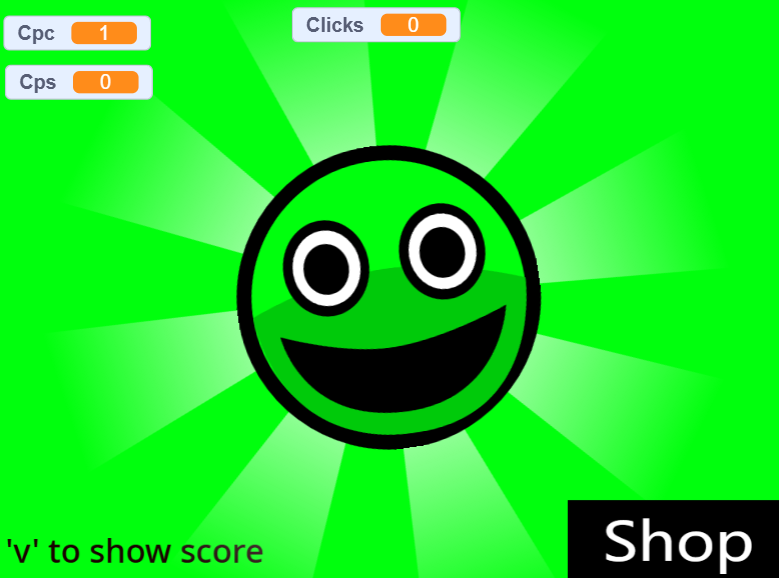
Fun Clicker starts with a single action: clicking a smiling face. You tap the image, points appear, and numbers begin to rise. The first few clicks feel simple, almost too easy. However, this surface-level gameplay masks something deeper waiting beneath. You’ll notice a shop button along the screen’s edge. Click it, and upgrade options reveal themselves—each one promising to boost your click power or automate the point-gathering process.
The early moments reward constant interaction. Every click generates currency you can spend immediately. Purchase your first upgrade, and the smiley face reacts. Its expression shifts slightly, barely noticeable at first. Continue clicking, and more options unlock. Some upgrades multiply your click value. Others introduce passive income streams that generate points without your input. The game doesn’t explain its rules through tutorials or pop-ups. Instead, you learn by doing, by testing each button’s effect.
As your total climbs higher, strange elements emerge. Text boxes appear with cryptic messages. The background color shifts from bright yellow to muted tones. The smiley face begins its transformation, warping into shapes that feel less friendly. These changes aren’t glitches—they’re features triggered by your progress. Special clicks become available when certain thresholds pass. These moments demand quick responses, offering bonus points or unlocking hidden content. The game tracks your choices, though it never reveals exactly how those decisions matter. You’re playing, but you’re also being watched by the code itself.
How the Clicking Works
The core loop follows a pattern familiar to idle game fans. You click, you earn, you spend, you grow stronger. Each mouse press on the main character generates a base amount of points. Early on, that number stays small—maybe one or two points per click. Shop buttons line the interface, offering upgrades in exchange for accumulated currency. Some upgrades boost your click strength directly. Others introduce automation, letting the game earn points while you watch.
Progress isn’t measured through levels or stages. Instead, your total click count acts as the true metric. Cross certain thresholds, and the game responds. The smiley face evolves through distinct forms. Its smile widens, then cracks. Eyes multiply or disappear entirely. These visual shifts correspond to your growing power, but they also signal something darker surfacing. Dialogue boxes interrupt gameplay with increasing frequency. Messages hint at awareness, at something watching your actions. The screen itself reacts—colors invert, pixels distort, and the cheerful music slows to unsettling tones.
| Control Type | Function | Effect |
|---|---|---|
| Mouse Click | Primary interaction | Generates base points per tap |
| Shop Buttons | Purchase upgrades | Boosts click power or adds automation |
| Special Clicks | Timed interactions | Unlocks bonuses or hidden content |
The clicking mechanism feels responsive, almost too smooth. There’s no lag between input and reward. This instant feedback creates a rhythm that’s hard to break. However, that rhythm serves a purpose beyond simple engagement. Each click feeds the transformation. You’re not just earning points—you’re fueling the game’s evolution into something stranger. The more you interact, the more the experience shifts away from its innocent beginning.
Features of Fun Clicker
Fun Clicker presents itself as a standard browser game, but its features reveal a different intent. The gameplay begins with bright colors and upbeat sounds. Within minutes, that cheerful facade starts cracking. Visual changes link directly to your click count. Reach 100 clicks, and the smiley face’s expression alters. Hit 1,000, and the background darkens. These aren’t random events—they’re deliberate milestones designed to unsettle.
The game blends idle game mechanics with psychological elements. You’re earning points and buying upgrades, but you’re also watching a narrative unfold through environmental changes. Messages appear without warning, breaking the fourth wall. Some reference your click total. Others ask questions about why you’re still playing. This meta-commentary adds depth beyond typical clicker fare. The game knows it’s a game, and it wants you to question your participation.
“Every click brings you closer. But closer to what?”
No clear ending exists. Traditional games offer victory screens or final bosses. Fun Clicker only offers continuation. You can stop anytime, but the game never tells you to. Instead, it encourages more clicking, more upgrades, more progression into increasingly uncomfortable territory. The lack of a “good ending” becomes a feature itself—a statement about compulsion and choice within game design. Some players report feeling uneasy after extended sessions. That discomfort is intentional, woven into every visual shift and cryptic message.
Gameplay Strategy
Early strategy focuses on maximizing click power. Your first purchases should target upgrades that multiply base click value. Don’t spread currency across multiple low-tier options. Instead, save for meaningful boosts that dramatically increase earnings. Once you’ve doubled or tripled your click strength, automation becomes viable. Passive income generators cost more initially, but they maintain progress without constant input.
Watch for upgrade descriptions carefully. Some options seem helpful but carry hidden costs. An upgrade might boost your click power while also accelerating the game’s darker transformations. Others unlock content you might prefer to leave hidden. The game doesn’t warn you about these consequences. It simply presents choices and lets you discover their effects. This creates a strategic layer beyond simple math—you’re deciding not just what to buy, but how far you’re willing to push the experience.
Key strategic priorities:
- Prioritize click power multipliers in the first phase
- Invest in automation once base income exceeds 100 per second
- Avoid purchasing every available upgrade immediately
- Monitor visual changes as indicators of progression depth
- Consider whether efficiency matters more than comfort
Mid-game strategy shifts toward balance. You’ll need both active clicking and passive generation to maintain growth. However, the real question becomes personal rather than tactical. The game doesn’t require you to reach any specific milestone. It simply offers the option to continue. Some players push until the screen becomes nearly unrecognizable. Others stop when messages become too pointed. There’s no wrong choice, only different thresholds for discomfort.
Similar Games
Final Words
Fun Clicker transforms the innocent act of tapping into a mirror that reflects our compulsive relationship with digital engagement. What begins as a harmless points-gathering exercise gradually peels back layers of cheerful veneer to expose something raw and unsettling beneath. You’re not just accumulating numbers—you’re participating in your own psychological unraveling, watching a smiling face decay with each mouse press.
This browser experience proves that horror lives in repetition, in the mechanical actions we perform without questioning their purpose. The game asks nothing from you except continued participation, yet that simple request becomes increasingly difficult to fulfill as colors drain, messages grow personal, and your innocent companion warps beyond recognition. There’s no final boss to defeat, no credits to roll—only the haunting realization that you’ve been feeding something that perhaps should have remained dormant.
New Games
View all
Plants Warfare

Head Runner Dash
Tag Run
Bob The Robber 4 Season 3 Japan
Cool As Ice But Night Time Sprunki
Soflo Wheelie Life
Sprunki Escape From Hospital

Red Blue Leader
Sprunki Reversed Phase 4 Aftermath
Climb It Up
Brainrot Craft
Rocket Goal
Sprunki Phase 9 GGTP V1.5
Four In A Row
Stack Ball
Punchy Race
Horror Nun
Tank Stars
Heal Infected Sprunkies
Ramp Xtreme
Previous
Flappy Dash Ultra
Next
Brawl Simulator 3D
Discuss Fun Clicker