
Sprunki Reversed Phase 6 - Broken Mod or Hidden Masterpiece?
Sprunki Reversed Phase 6 is a dark, fan-made Sprunki mod that turns familiar drag-and-drop music mixing into an eerie, unstable session packed with tension and strange charm. See why players are split between calling it a rough build or a hidden standout, and whether its moody sounds and uncertain feel make it worth playing.
Please wait a moment for the Sprunki Reversed Phase 6 game to load after clicking "Play Now" button.
Play Sprunki Reversed Phase 6 in Browser Online
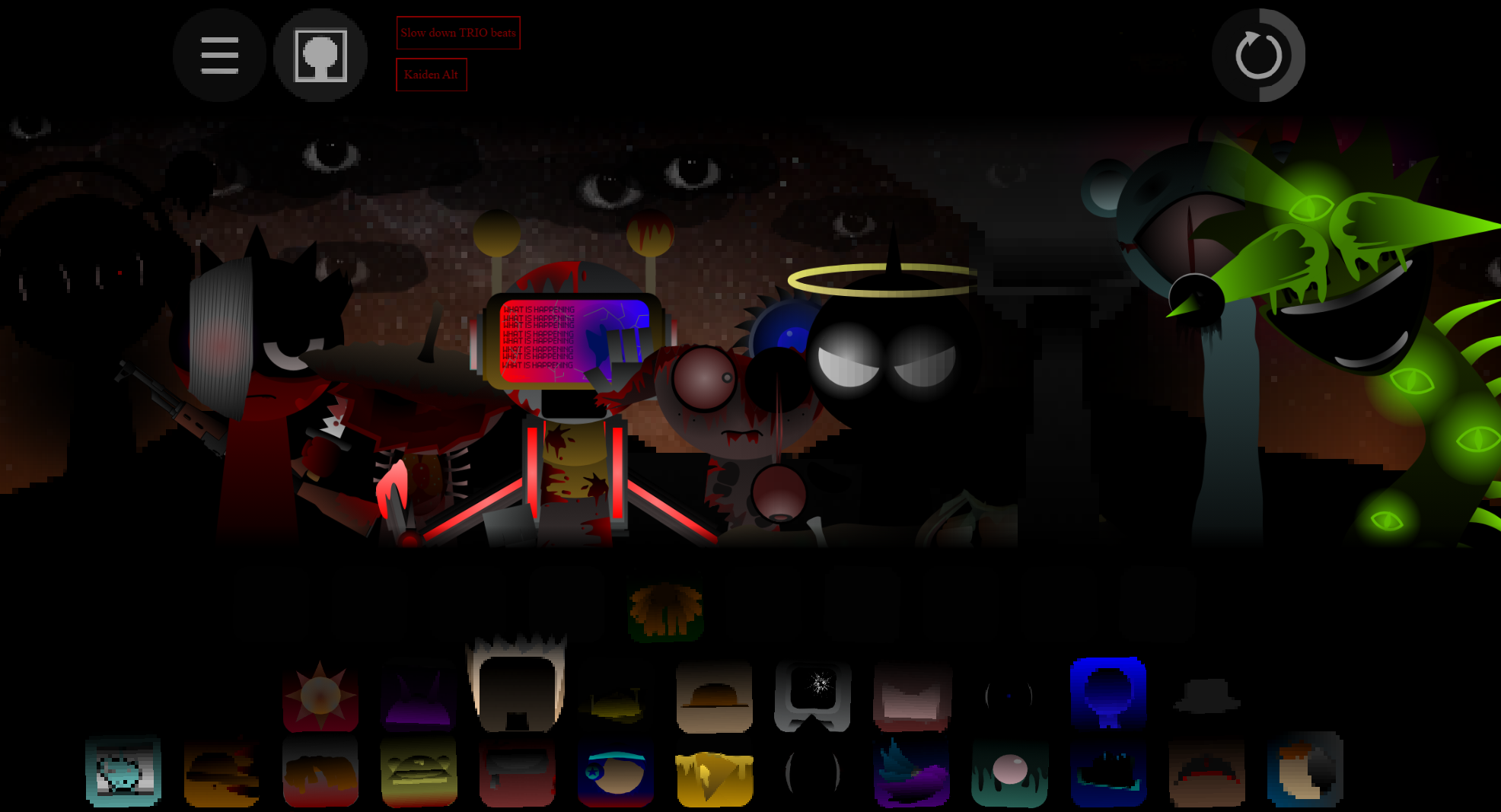
Recommended Games
View all
Sprunki Sprunkswap
Sprunki Phase 10 Jevins Last Stand
Sprunki Twirl Shifted Remastered
Sprunki Sprunktuber Japanese
Sprunki Phase3 An Endless Hell
Ay In Tick Drop Sprunkie But Every Sprunki Are K111Ers
Sprunki 9 Shifted Player Baldis Take
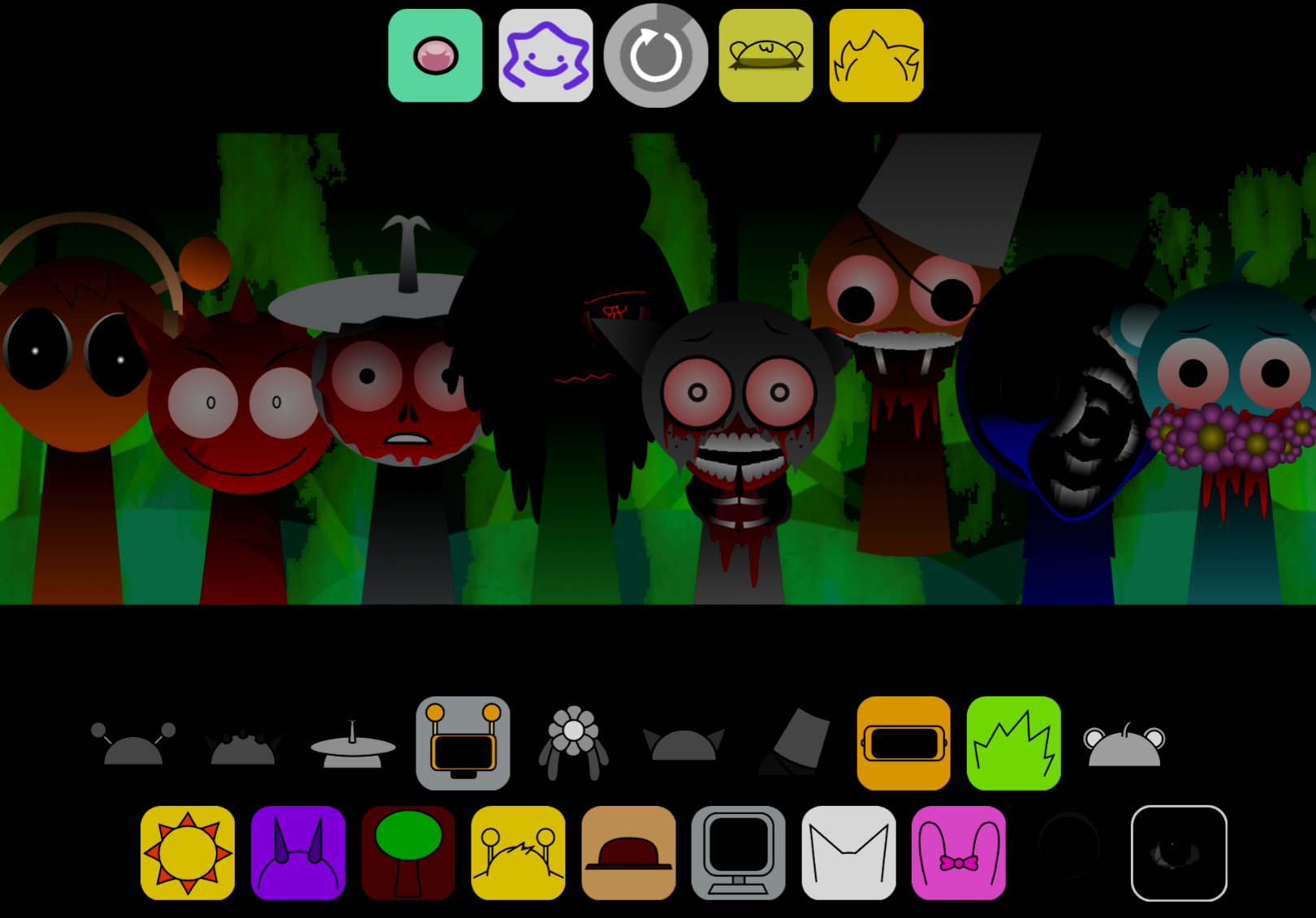
Sprunki 5 Shifted Finalized
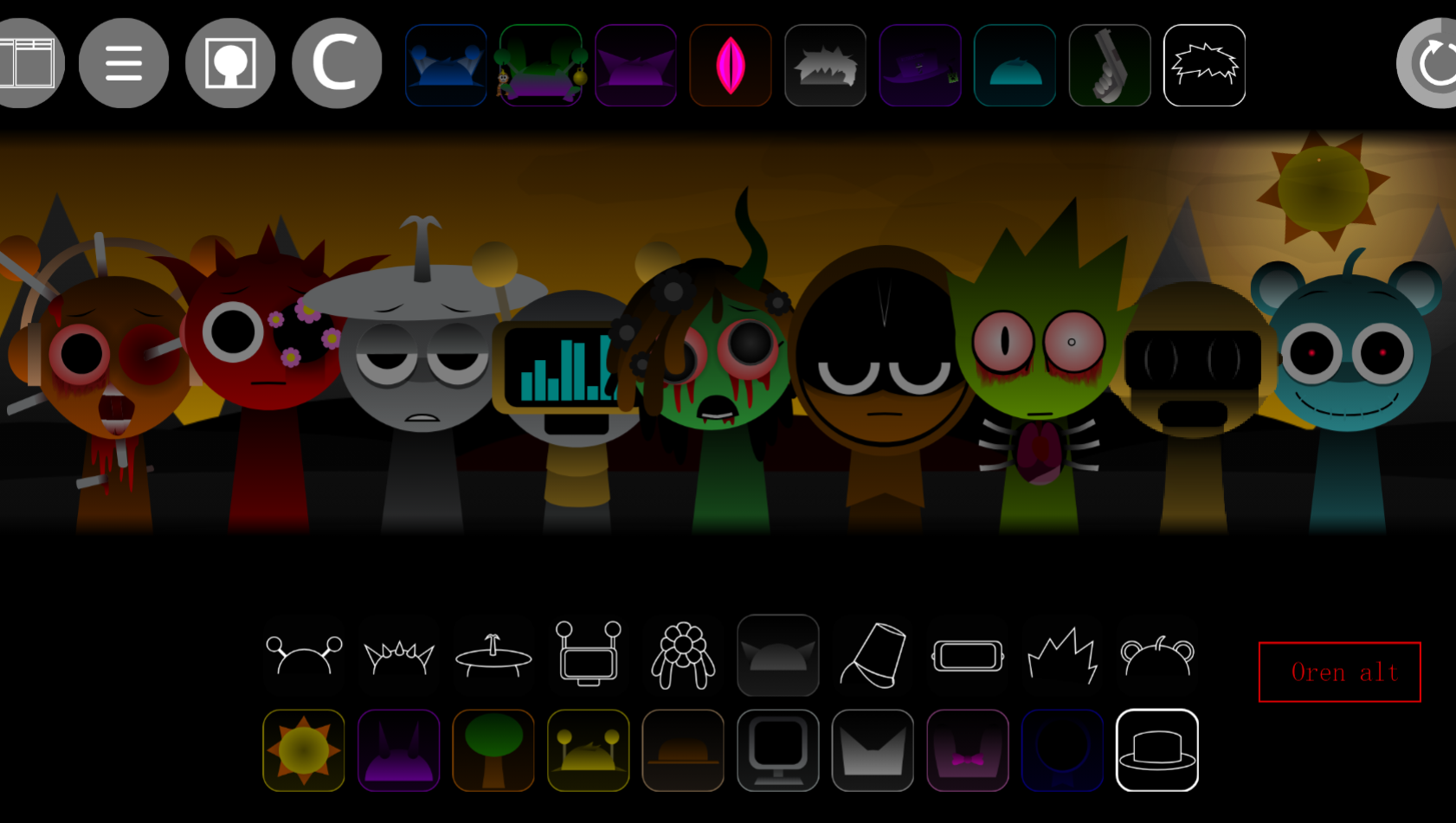
Sprunki Spi Shifted Remastered
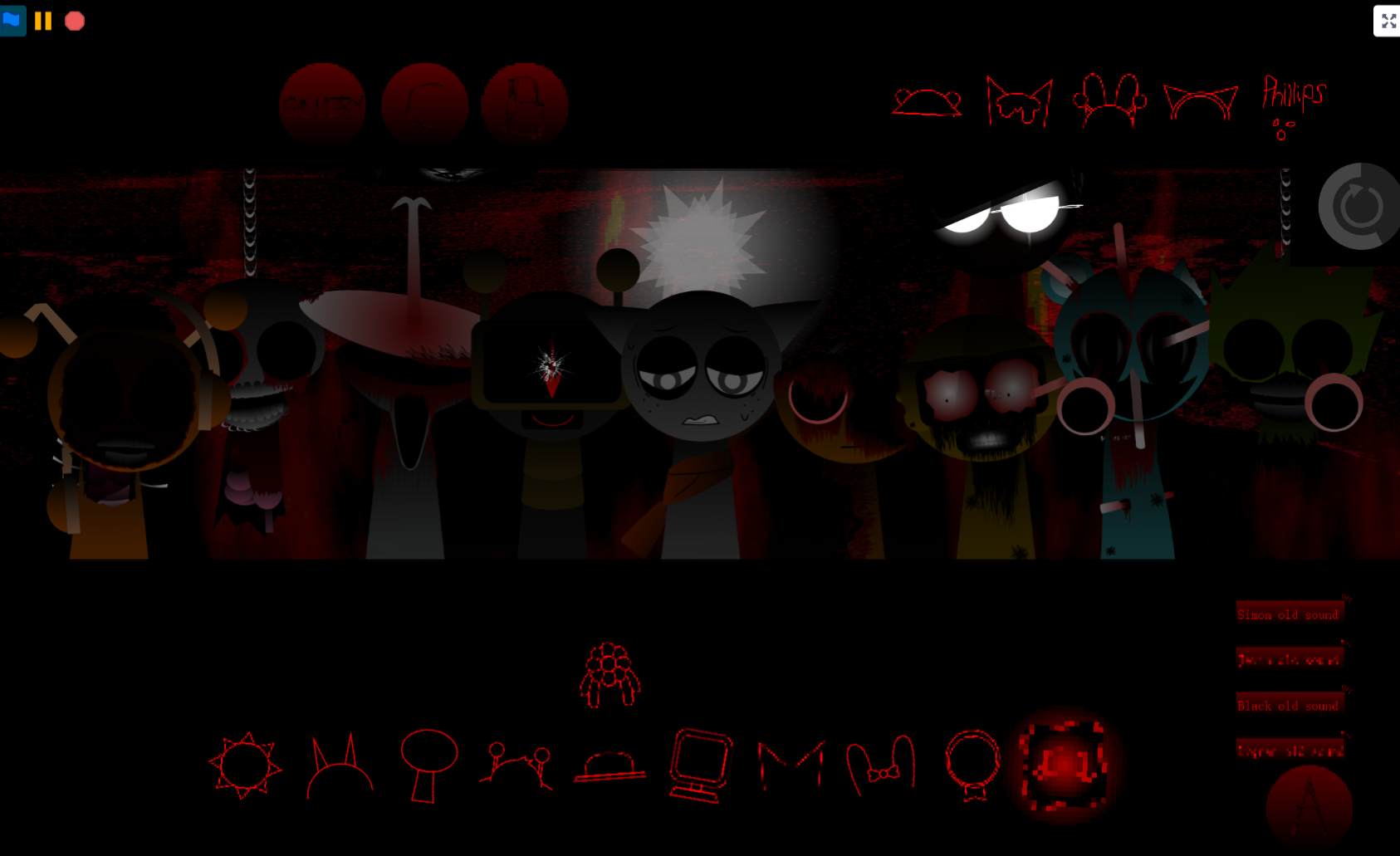
Sprunki Phase 3 The End
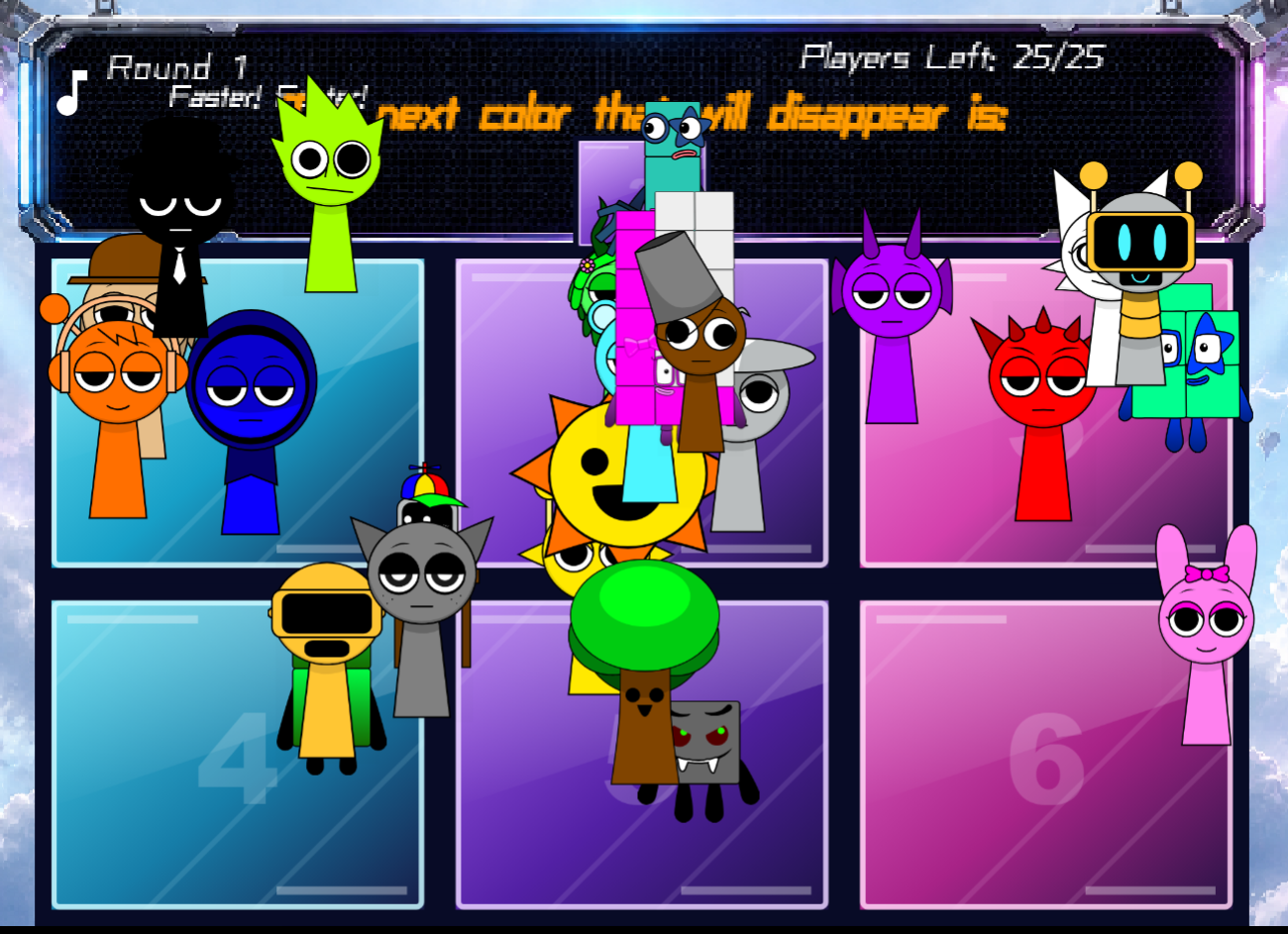
Ay In Color Sprunki Edition
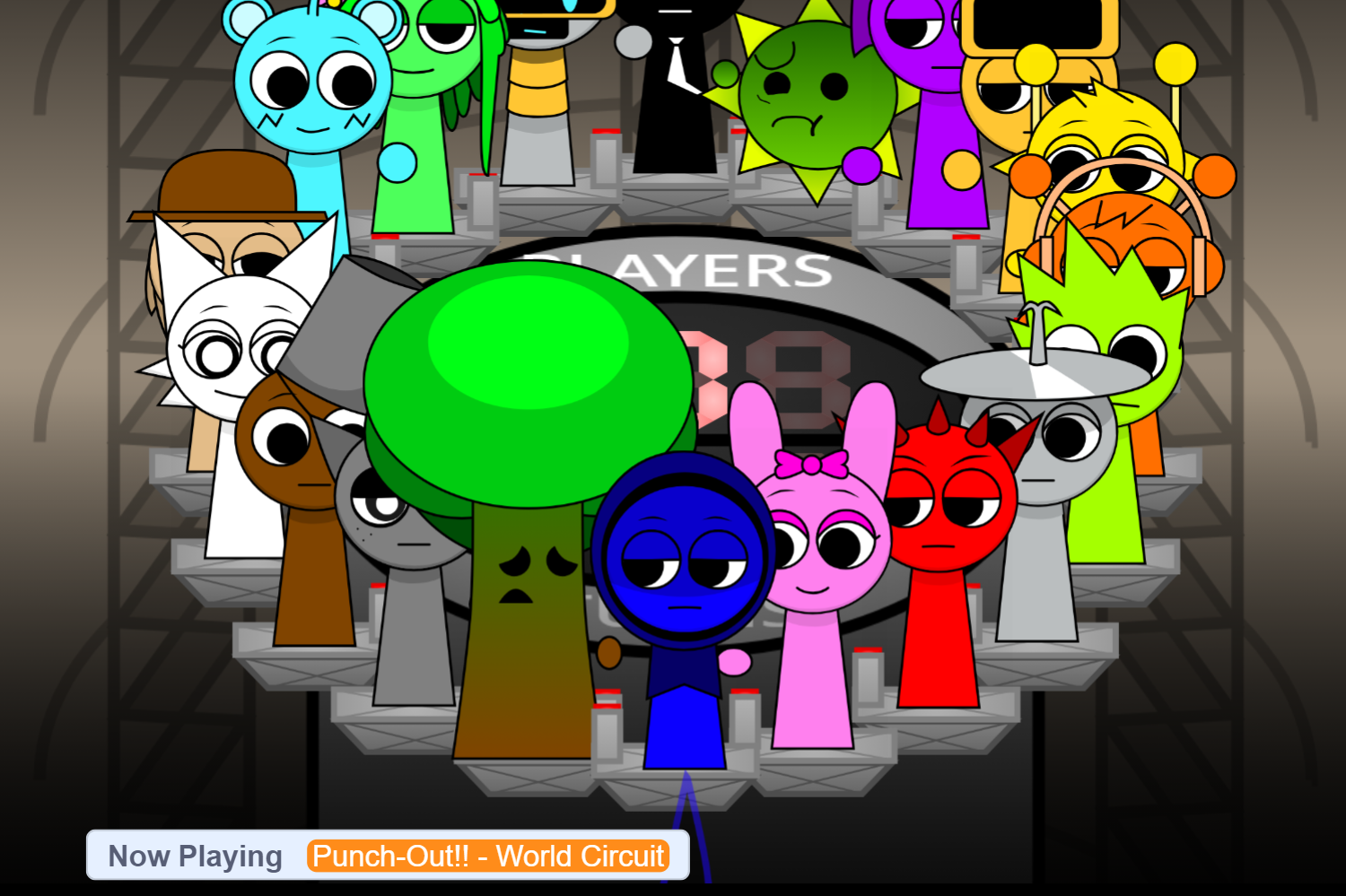
Ay In Tick Drop Sprunkies But Mr Sun And Mr Tree Is Sick
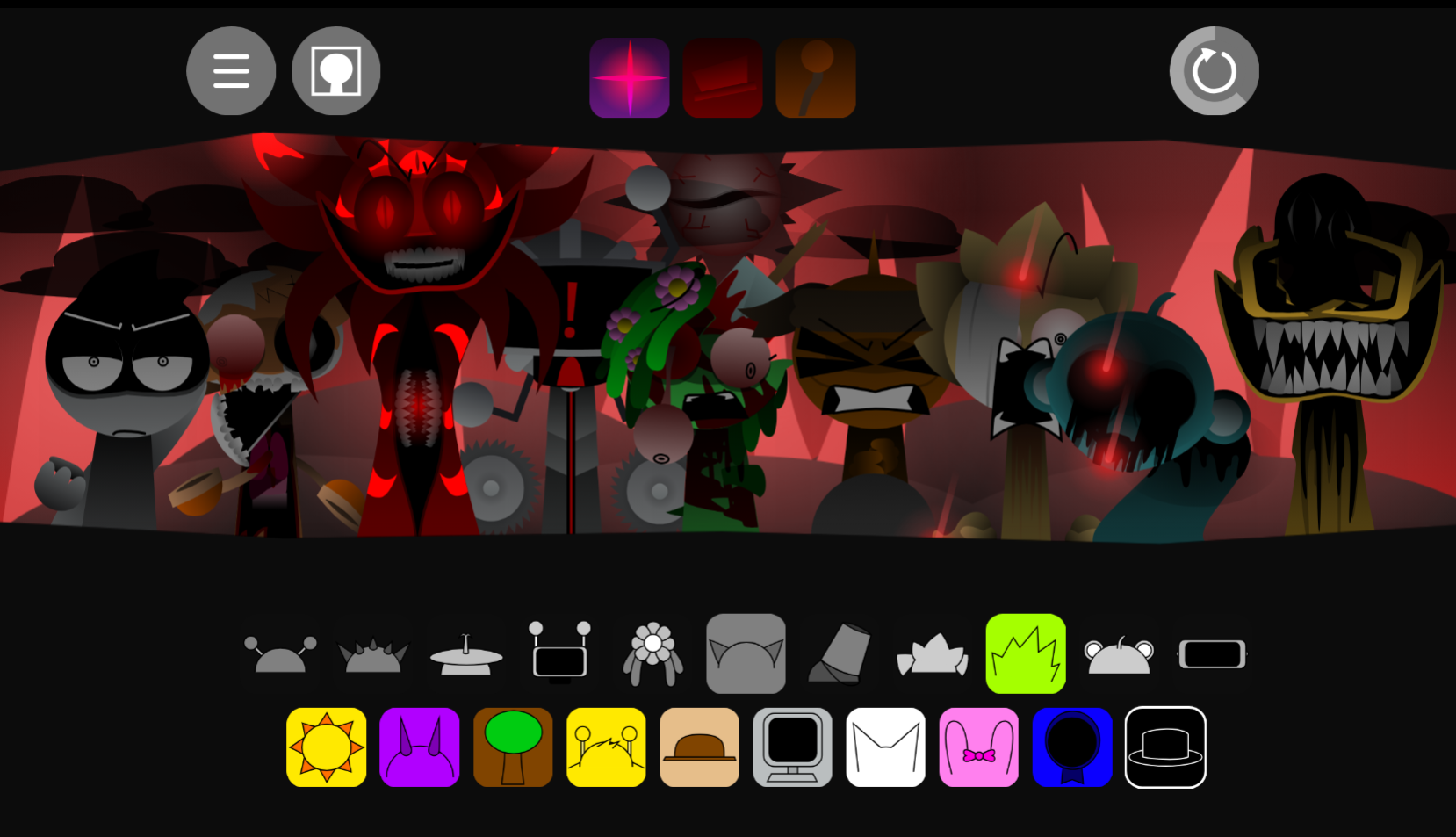
Sprunki Reverse Shifted Phase 4
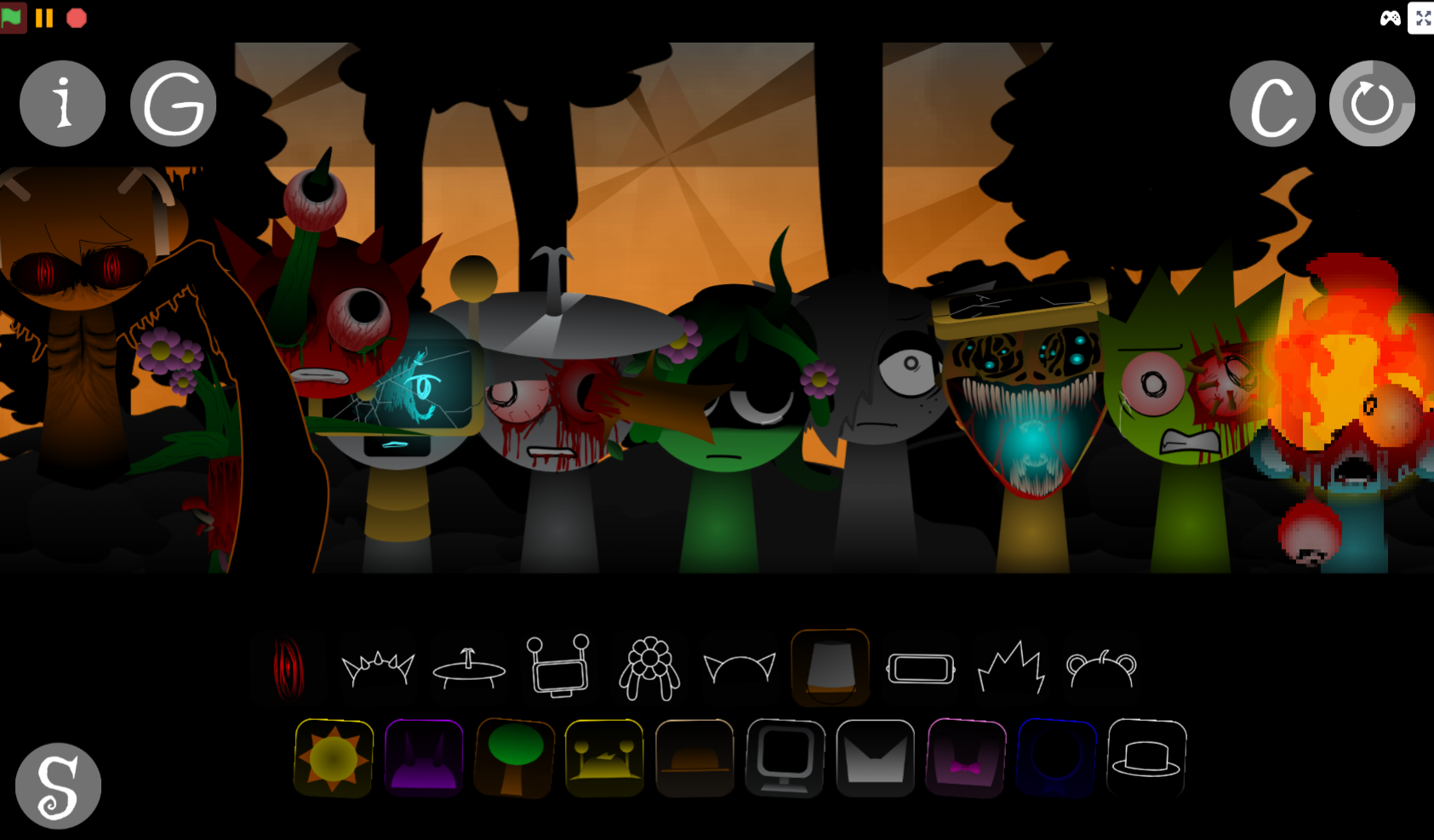
Sprunki Hdpe Shifted Chapter 1 Time Two Go Green
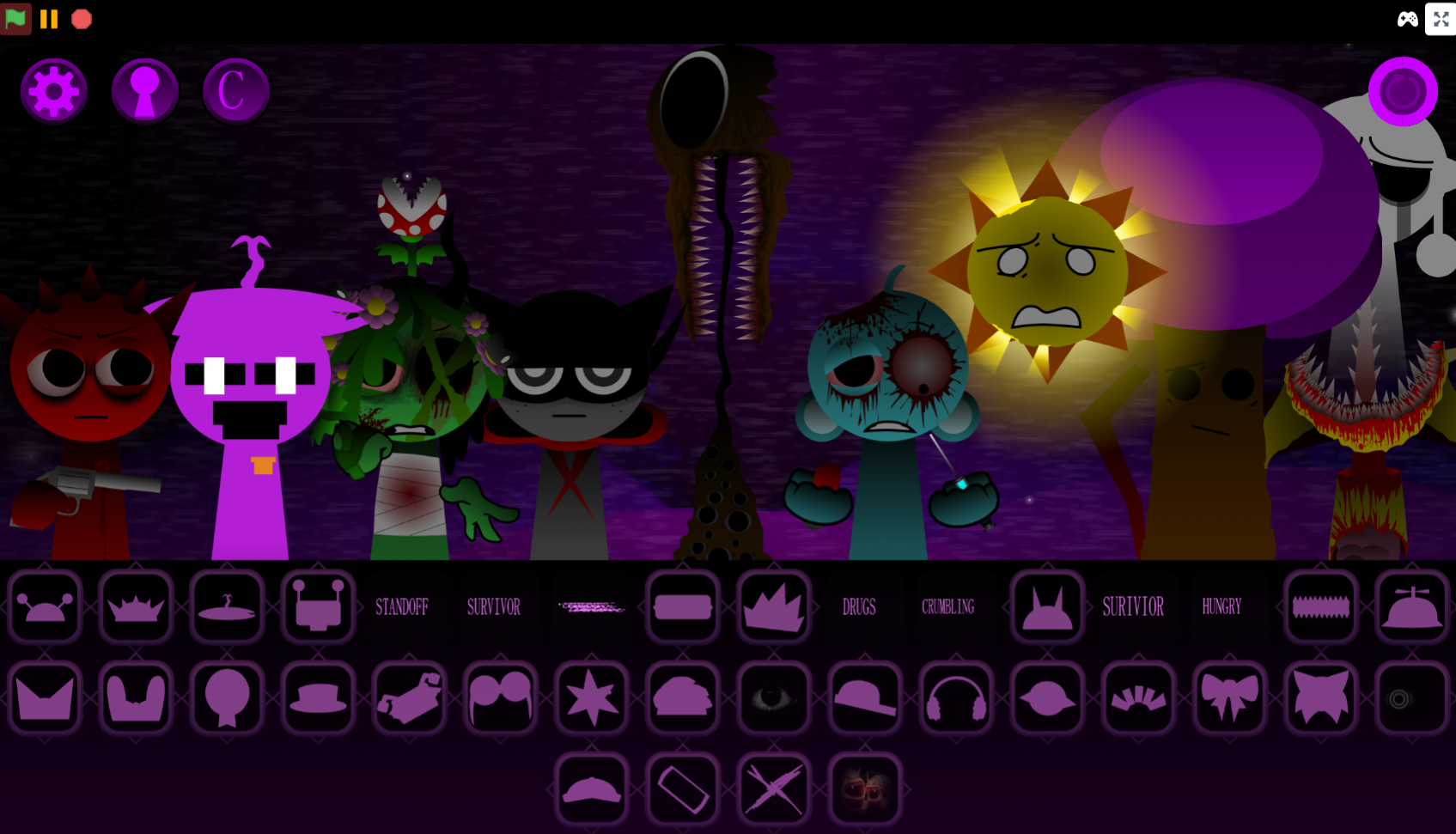
Sprunki Heptashifted Conizs Chornology
Sprunki The Definitive Phase 12 Esbs Take Deluxe Edition
Sprunki Voided Phase 6 Stargazing
Sprunki But Heptashifted Conizs Chornology
Sprunki Reversed Phase 6 is a fan-made phase by @macboi1114 that keeps the usual drag-and-drop music setup but presents it through a much stranger, less settled mood than a normal comfort-play Sprunki session. The page itself leans into that uncertainty by asking whether the phase actually works as expected, which immediately changes how you should judge it. This is not the kind of mod you open because you want guaranteed polish. It is the kind you open because the uneasy, maybe-not-fully-stable feel is part of the draw.
That framing matters because a lot of the interest here comes from ambiguity. Some players will see a rough build and assume the phase is simply undercooked. Others will read the same roughness as part of the Reversed identity: darker, more hostile, and more experimental than a straightforward remix. Either way, the useful question is not just “does it work?” but “what kind of experience does the uncertainty create once you start mixing?” That question is what makes Reversed Phase 6 more interesting than a generic bug report.
Features of Sprunki Reversed Phase 6
The biggest feature is not a giant mechanic list. It is the phase’s unstable tone. Reversed Phase 6 still uses familiar Sprunki logic—drag icons, trigger loops, build layers—but it wraps that loop in a presentation that feels less playful and more uneasy. The result is a session that can feel mysterious before you even decide whether every response is intentional, because the mood itself is doing a lot of the work.
That darker identity is what separates it from a smoother “just keep layering” type of phase. The live page frames the experience around testing whether the sounds, icons, and character feedback respond the way you expect. That means the mod naturally creates more tension than a typical pick-up-and-play remix. Instead of assuming the interface is only there to stay out of your way, you pay closer attention to how the session behaves, and that extra scrutiny becomes part of the play experience.
The phase also benefits from being judged as a mood-first variant rather than as a feature-first expansion. If you come in expecting a giant content ladder, Reversed Phase 6 can feel thin. If you come in wanting a darker audio space where the uncertainty itself shapes how you listen, it becomes much easier to appreciate. The heavier sound, the more ominous visual feel, and the sense that the phase is hovering between working build and eerie experiment all push in the same direction.
That is why the best comparison is not “does it have more stuff?” but “does it create a different kind of session?” On that front, it does. Reversed Phase 6 turns ordinary drag-and-layer play into something more watchful and suspicious, which is a meaningful difference even if the core inputs remain familiar.
How to Play Sprunki Reversed Phase 6
You still play Reversed Phase 6 the normal Sprunki way: place sound icons, build a mix, and listen for how the parts interact. The difference is that this phase rewards a more careful first run. Because the page frames the mod as a mysterious or possibly uneven build, the smartest way to start is by testing responsiveness and atmosphere at the same time instead of instantly piling on a full stack of sounds.
A better first session usually looks like this:
- Start with one or two sounds so you can tell what the phase is doing before the track gets crowded.
- Listen for whether the loop feels settled before adding more layers, especially when the mood starts getting heavier.
- Watch how the characters and interface respond, but judge the session mainly by what you hear rather than by expecting every visual cue to feel perfectly polished.
That slower approach matters because Reversed Phase 6 is easier to understand as an experiment than as a clean technical performance test. If you add too much too fast, all you learn is that the session feels messy. If you build in smaller steps, you can hear whether the roughness is creating useful tension, whether the darker tone is actually carrying the mix, and whether the phase has enough stability to stay interesting instead of merely awkward.
It also helps to compare this phase to your expectations from earlier entries instead of comparing it only to an ideal polished build. Reversed Phase 6 makes more sense when you ask how the mood and responsiveness differ from a more standard phase, not when you demand that it behave like a fully settled release from the first click. That shift in mindset usually makes the article’s central question easier to answer: even if the phase feels odd, is the oddness doing something worthwhile?
Beginner Quick Start
If you are new to this phase, treat your first run like a guided test rather than like a high-stakes performance. Open the page, add a couple of sounds, and see whether the basic groove gives you enough to work with before you chase bigger combinations. The goal is not to force the mod into instant smoothness. The goal is to figure out whether its darker, uncertain energy feels compelling to you.
For beginners, the best early test is simple: can you hear a real musical identity forming even when the phase feels a little rough around the edges? If the answer is yes, then Reversed Phase 6 has probably done enough to earn a longer session. If the answer is no, and the roughness only feels frustrating, then you are probably not the audience this phase serves best.
Related Games
- Sprunki Reversed Phase 4 AFTERMATH — A strong next click if you want to compare how another Reversed entry handles dark atmosphere and whether its weirdness feels more intentional or more controlled.
- Sprunki Phase 6 The Scarlet Sun Redds Take Finished Animations — Useful as a contrast point if you want to compare Reversed Phase 6’s unsettled feel with a Phase 6 variant that sounds more explicitly finished and presentation-focused.
- Sprunki Phase 9 ggtp v1.5 — A sensible follow-up if you like trying experimental late-phase Sprunki builds and judging where roughness adds interest versus where it becomes too much.
Is This Phase Worth Playing?
Reversed Phase 6 is worth trying if you like phases that feel slightly unstable, mood-heavy, and open to interpretation. Its appeal is not based on smoothness. It is based on the combination of eerie sound, suspicious atmosphere, and the feeling that you are testing a version of the game that sits somewhere between deliberate darkness and unfinished strangeness. For some players, that makes it much more memorable than a cleaner but less distinctive remix.
It is a weaker pick if you mainly want certainty. If the best Sprunki session for you is one where every response feels immediate, every layer behaves cleanly, and the interface never asks for extra patience, this phase may feel more frustrating than rewarding. But if you enjoy judging whether a weird mod is secretly better than it first appears, then the “broken mod or hidden masterpiece?” framing is exactly the right way to approach it.
Compared with smoother entries, Reversed Phase 6 wins less by polish and more by tension. It invites you to test, doubt, listen closely, and decide for yourself whether the instability is a flaw, a style choice, or some combination of both. That alone gives it a more distinct reader fit than a lot of interchangeable Sprunki variants.
New Games
View all
Sprunke All In One

Sprunki Escape From Hospital
Sprunki Blood Moon Phase 11
Sprunki The Definitive Phase 7 Survivors And Dieds
Sprunki Malwarefc

Dress To Impress
Sprunkgirls Midnight

Kart Bros
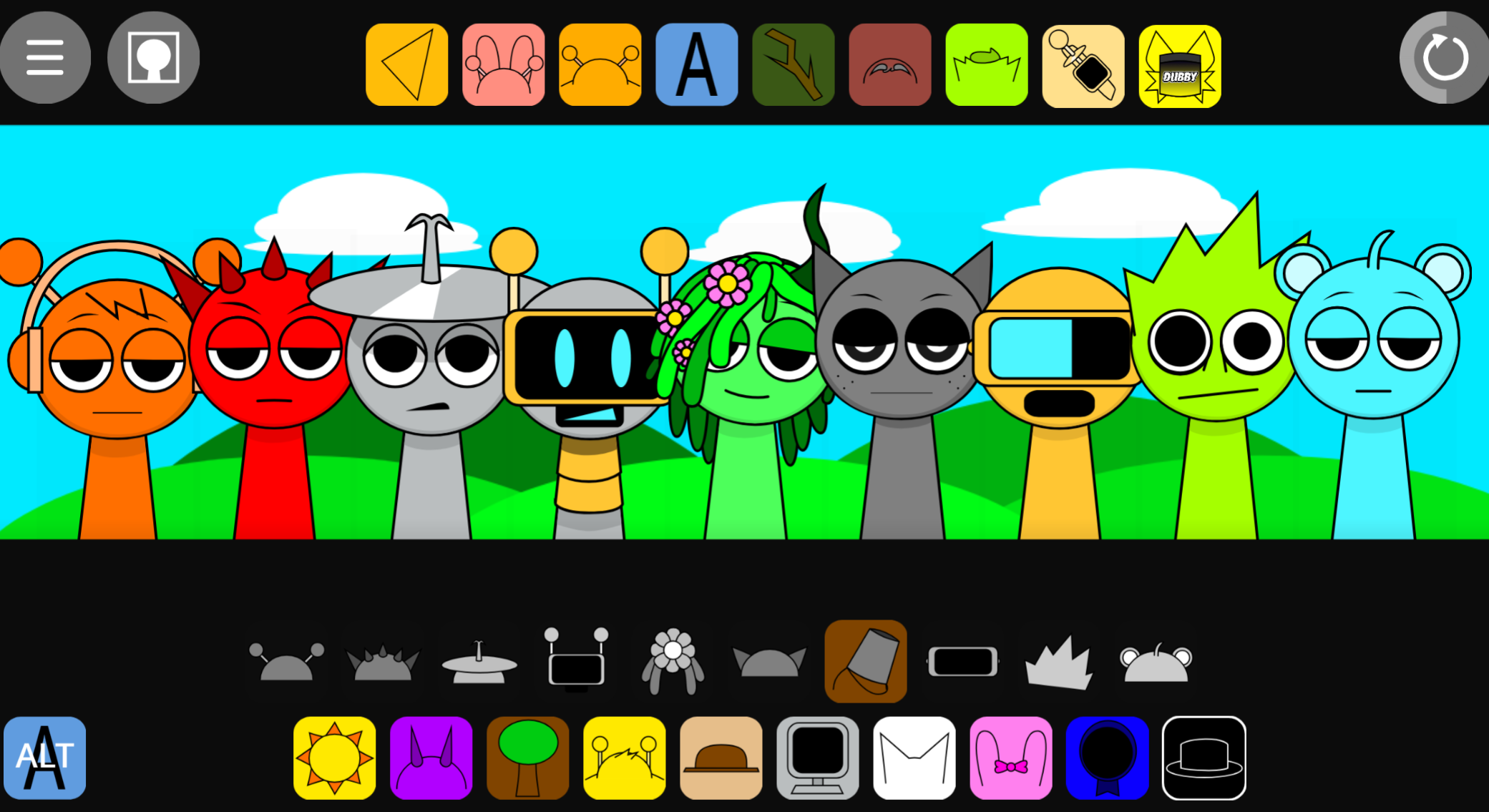
Sprunki Footlongs Sandbox
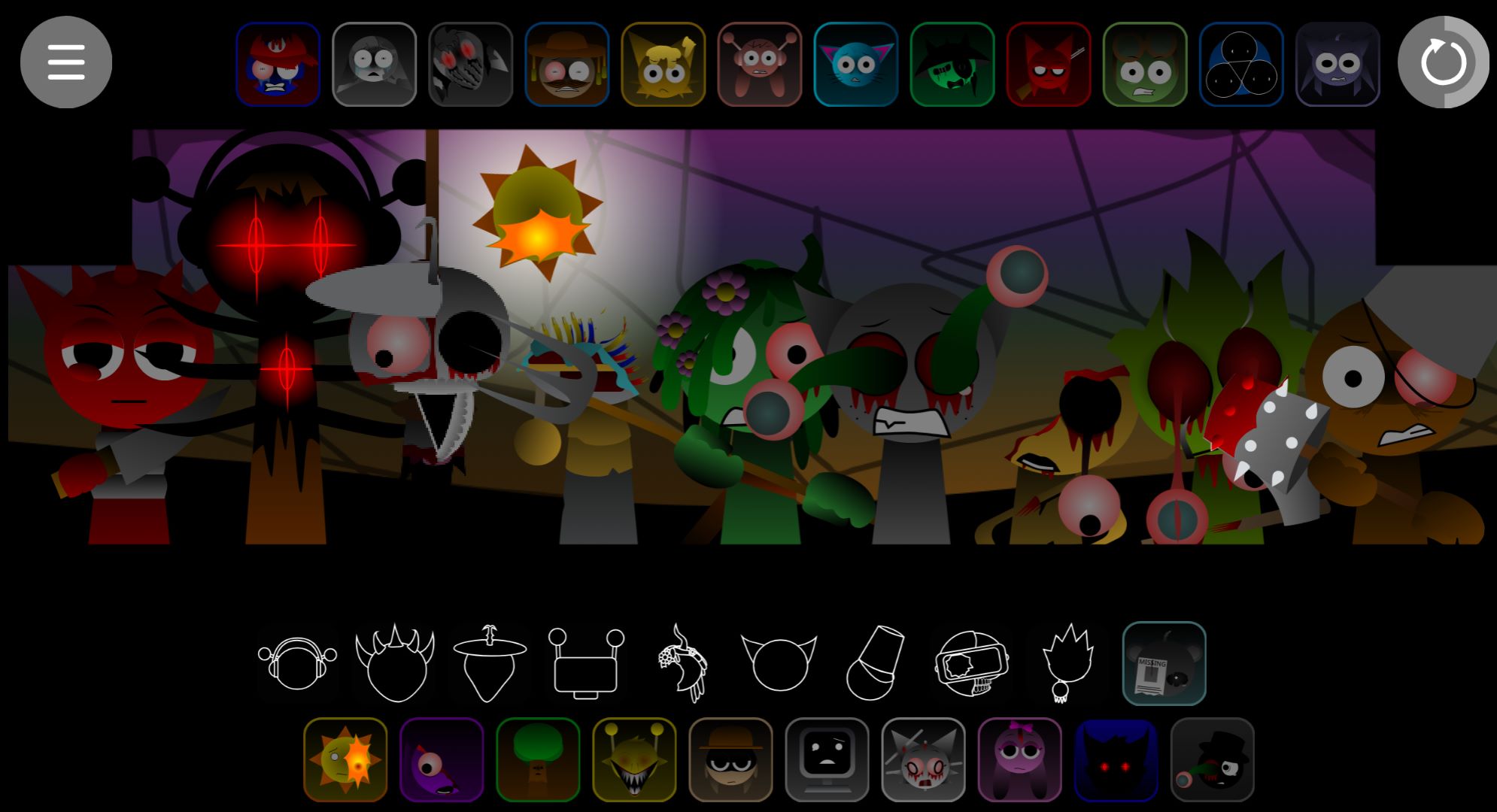
Sprunki Shifted The Love Birds Phase 3
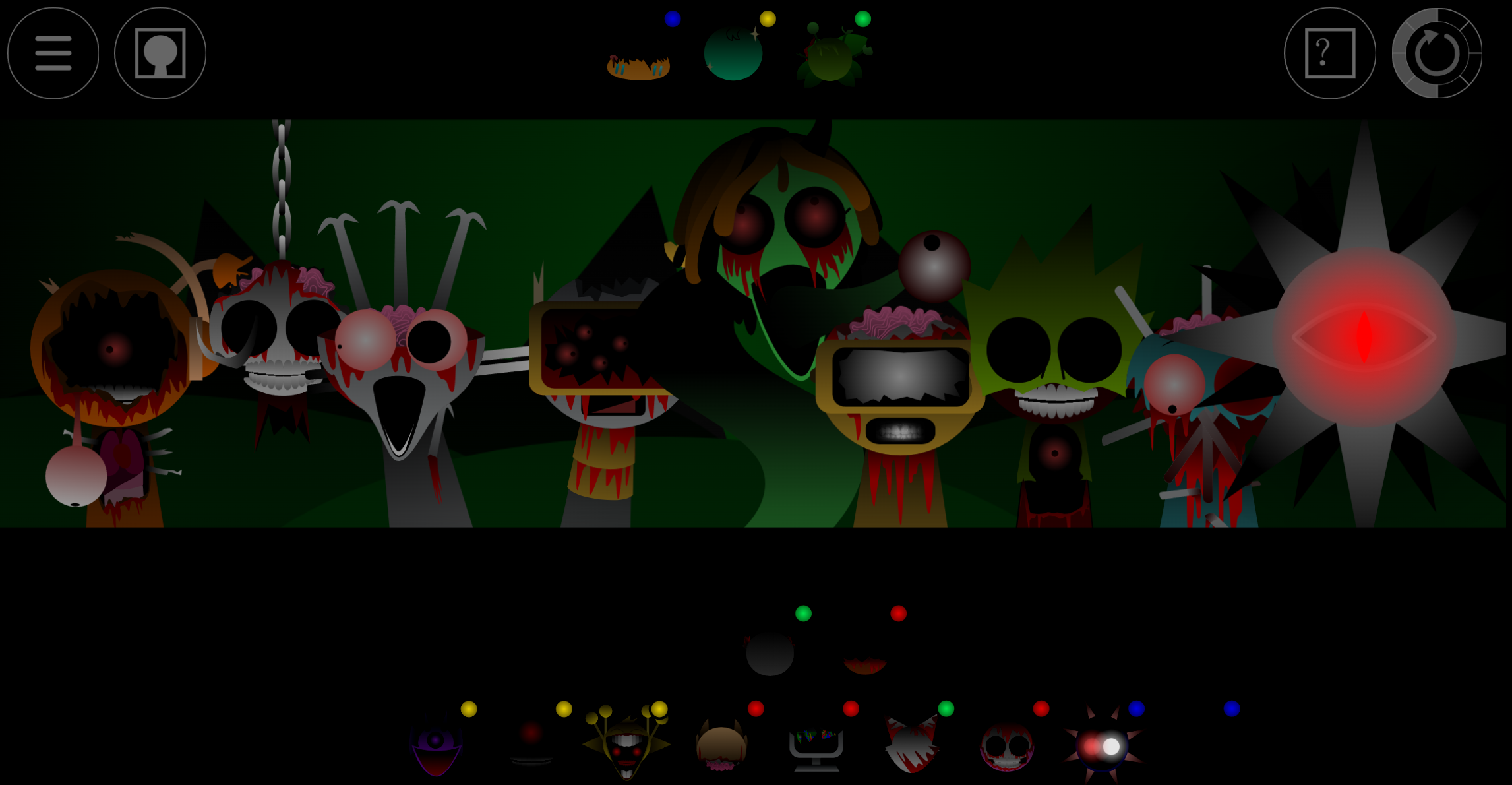
Sprunki Phase 8 Remastered
2v2 IO
Sprunki Shifted Phase Three

Rocketgoal
Sprunki Legend Swap
Sprunki Left2Right
Sprunki Anti Shifted Windys Take
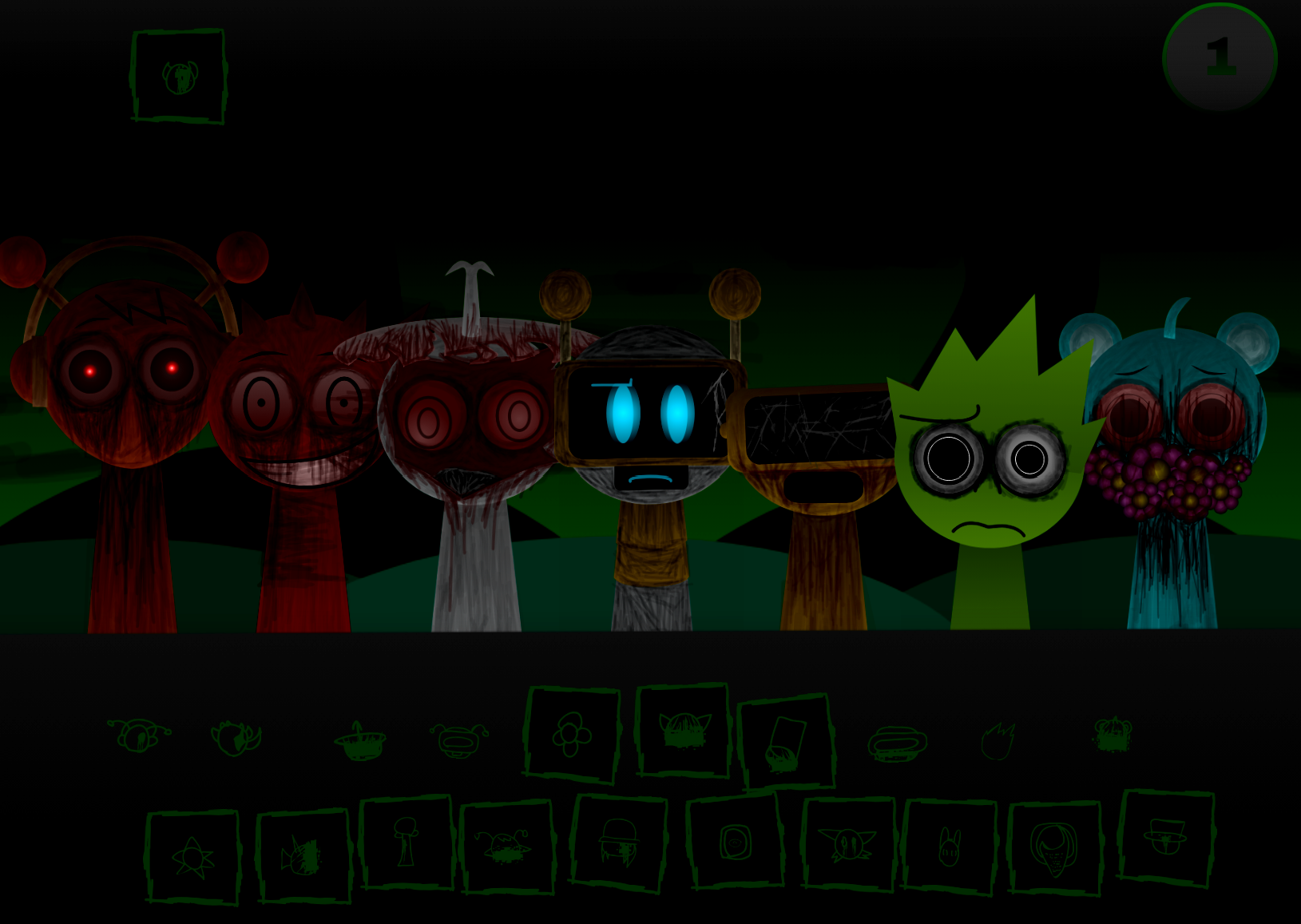
Sprunki 5 Shifted Reborn
Dancing Beat
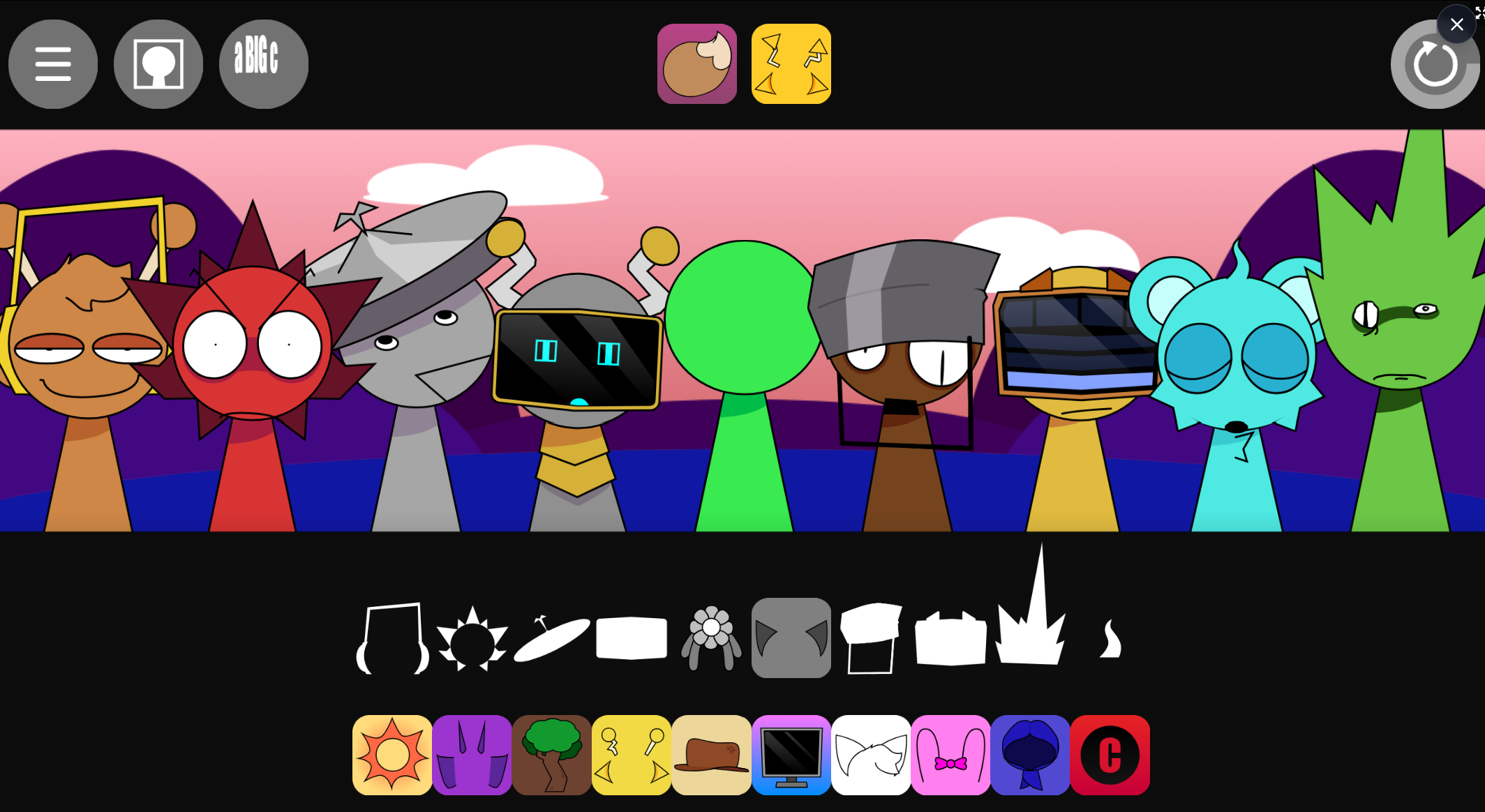
Sprunki Samuels Ralm Update 1
Previous
Sprunkson Meadow Pinkis Easter
Next
Sprunki Malwarefc
Discuss Sprunki Reversed Phase 6